The best PEO for manufacturing companies is one that specializes in high-risk workers’ comp class codes, OSHA compliance support, and complex shift-based payroll — not just a generic HR platform. Manufacturing employers deal with a different level of risk and complexity than most industries, and the right PEO partner will reflect that. This guide breaks down what to look for, which providers stand out, and how to avoid costly mismatches.
Why Manufacturing Companies Are a Natural Fit for PEOs
Manufacturing is one of the largest industries served by PEOs. According to NAPEO, manufacturing accounts for roughly 13% of all PEO client companies — making it one of the top three industry segments in the entire PEO market. That’s not a coincidence. The challenges that make manufacturing HR difficult are exactly the problems PEOs are built to solve.
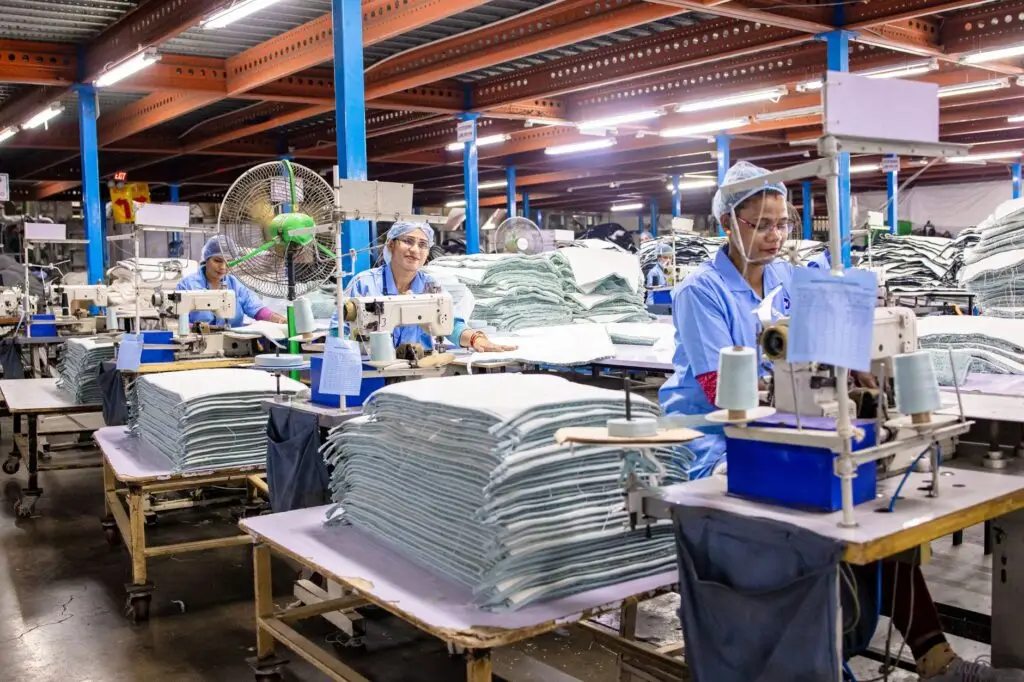
Here’s the core tension every manufacturing owner knows: you’re running a lean operation, your workforce is your biggest variable cost, and one bad OSHA citation or workers’ comp claim can wipe out a quarter’s margin. Add in overtime rules, shift differentials, union-adjacent compliance questions, and high employee turnover — and you’ve got an HR stack that most small business platforms simply weren’t built for.
A well-matched PEO for manufacturing doesn’t just handle payroll. It becomes your safety department, your risk management team, and your benefits broker — all under one co-employment arrangement that legally spreads liability and drives down your insurance costs.
The 4 Biggest HR Challenges for Manufacturing Companies
1. High Workers’ Comp Class Codes and Premiums
Workers’ compensation is where manufacturing companies feel the most pain. Class codes for machine operators, welders, press operators, and assemblers carry some of the highest mod rates in any industry. A standalone workers’ comp policy for a 50-person shop can run 4–8% of payroll or more, depending on your state and claims history.
PEOs operate master workers’ comp policies that pool hundreds or thousands of employers together. Because of this volume, they negotiate rates that individual manufacturers can rarely match on their own. Based on our experience matching hundreds of businesses at PEO Marketplace, manufacturing companies commonly see 15–30% reductions in workers’ comp costs after moving to a PEO — with the biggest savings going to companies that had high experience modification rates (EMRs).
2. OSHA Compliance and Workplace Safety Programs
OSHA compliance is non-negotiable in manufacturing. The Occupational Safety and Health Administration regularly targets manufacturing facilities for inspections, and penalties for serious violations now exceed $16,000 per incident. Willful violations can reach $156,259.
The best PEOs for manufacturing don’t just hand you a compliance checklist — they provide dedicated safety consultants, job site assessments, OSHA 300 log management, and employee safety training programs. Some even offer 24/7 claims reporting lines and nurse triage services that can dramatically reduce the cost and severity of workplace injuries by catching them early.
3. Shift Differentials, Overtime, and Complex Payroll
Manufacturing payroll is rarely straightforward. You’re likely running multiple shifts with different pay rates, calculating overtime under FLSA rules, tracking piece-rate or production bonuses, and managing PTO accruals for hourly workers. Many generic payroll platforms weren’t built to handle this level of complexity cleanly.
A manufacturing-focused PEO will have payroll systems that natively support shift differential rules, multiple pay rates per employee, and integration with time-and-attendance systems common on factory floors (like Kronos/UKG or Swipeclock). Getting this wrong isn’t just an administrative headache — it’s a wage-and-hour liability. The Department of Labor collected over $274 million in back wages from manufacturing employers in a recent enforcement year.
4. Recruiting, Retention, and Benefits in a Tight Labor Market
Manufacturing companies compete hard for skilled labor. Offering Fortune 500-level health benefits through a PEO is one of the fastest ways to close the gap against larger employers. According to NAPEO, businesses that use PEOs see 10–14% lower employee turnover than businesses that don’t — a statistic that hits especially hard in industries where training new operators is expensive and time-consuming.
What to Look for in a PEO for Manufacturing
Not every PEO is equipped to handle manufacturing accounts. Here’s the shortlist of must-haves when evaluating providers:
- Experience with high-risk WC class codes: Ask specifically whether the PEO’s master workers’ comp policy accepts your class codes. Some PEOs quietly exclude the highest-risk manufacturing categories.
- Dedicated safety services: Look for on-site safety audits, OSHA training, and return-to-work programs — not just a PDF safety manual.
- Hourly/shift payroll capability: Confirm the platform handles multiple pay rates, shift differentials, and integrates with your timekeeping system.
- Claims management: A PEO with an in-house or closely managed claims team will fight harder to control costs than one that farms it out.
- Industry references: Ask for two or three references from manufacturing clients of similar size and risk profile.
Top PEOs for Manufacturing Companies: How They Compare
Based on our analysis of 40+ PEO providers at PEO Marketplace, here’s how the leading options stack up for manufacturing-specific needs:
| PEO Provider | High-Risk WC Class Codes | Dedicated Safety Services | Shift/Hourly Payroll | Best For |
|---|---|---|---|---|
| Insperity | ✅ Selective | ✅ Strong | ✅ Robust | Mid-size manufacturers (50–500 employees) |
| TriNet | ⚠️ Limited | ⚠️ Basic | ✅ Good | Light manufacturing, tech-adjacent |
| ADP TotalSource | ✅ Broad | ✅ Strong | ✅ Excellent | Larger manufacturers needing enterprise tools |
| Justworks | ❌ Very Limited | ❌ Minimal | ⚠️ Basic | Not recommended for traditional manufacturing |
| Oasis (Paychex) | ✅ Broad | ✅ Good | ✅ Strong | Small to mid-size manufacturers |
| Regional/Specialty PEOs | ✅ Often excellent | ✅ Specialized | ✅ Flexible | Niche manufacturing, highest-risk class codes |
If you’re evaluating Insperity specifically, our Insperity cost comparison breaks down exactly how their pricing stacks up. And if ADP TotalSource is on your radar, read our analysis of hidden fees with ADP TotalSource before signing anything.
One important note: for manufacturers with the highest-risk class codes — think metal stamping, foundry work, or chemical processing — a regional or specialty PEO often beats the national names. These smaller providers build their entire book of business around industries like yours, which means better rates, better service, and less chance of being dropped when your claims history has a bad year.
How Much Does a PEO Cost for a Manufacturing Company?
PEO pricing for manufacturing companies typically runs higher than the national average due to the workers’ comp complexity and safety service overhead. Most manufacturers can expect to pay between 3–6% of gross payroll in PEO administrative fees, though this varies significantly by provider model (percentage of payroll vs. per-employee-per-month).
Here’s the key calculation most manufacturers miss: you have to net the PEO fee against what you’re currently spending on workers’ comp, HR staff, safety consultants, and benefits administration. When you add those up, most manufacturers find the PEO is cost-neutral or cheaper — before accounting for the time savings. Use our PEO cost calculator to run the numbers for your specific headcount and payroll.
If you want to see a side-by-side breakdown of what the major providers actually charge, our guide to comparing PEO options like Gusto and Justworks is a good starting point — though as noted above, those platforms aren’t usually the right fit for traditional manufacturing environments.
How to Get the Best PEO Deal as a Manufacturer
A few tactical moves that consistently get manufacturing clients better outcomes:
- Pull your OSHA 300 logs before shopping. Providers will ask for them, and having clean documentation signals you’re a well-run operation — which influences pricing.
- Share your experience modification rate (EMR) upfront. An EMR under 1.0 is a selling point. If yours is above 1.0, be ready to explain what you’ve done to address it.
- Get at least three competing proposals. Workers’ comp pricing especially varies widely across PEOs for manufacturing class codes. The first quote is rarely the best quote.
- Ask about return-to-work programs. PEOs with strong RTW programs measurably reduce claim duration and cost — critical in manufacturing where modified duty opportunities exist.
Is a PEO Right for Every Manufacturer?
PEOs work best for manufacturers with 10–500 employees who are spending disproportionately on workers’ comp, struggling with HR compliance complexity, or unable to offer competitive benefits. If you’re a 5-person machine shop, the overhead may not pencil out yet. If you’re above 500 employees, an Administrative Services Organization (ASO) model — where you retain the employer-of-record status — may be more appropriate.
The sweet spot is a manufacturer with 25–200 employees who has felt the sting of a bad claims year, is dealing with OSHA compliance stress, and knows their benefits package is losing them good workers to larger competitors. That’s exactly who a manufacturing-focused PEO was built for.
Frequently Asked Questions: PEO for Manufacturing Companies
Can a PEO help reduce my workers’ comp costs as a manufacturer?
Yes — this is one of the primary financial benefits for manufacturing companies. PEOs pool all their client companies under a master workers’ comp policy, giving them buying power that individual manufacturers can’t replicate. Based on our experience at PEO Marketplace, manufacturing clients commonly see 15–30% reductions in workers’ comp premiums after joining a PEO, with the largest savings going to companies with higher experience modification rates.
What OSHA compliance support do PEOs provide for manufacturers?
The best PEOs for manufacturing go beyond basic compliance checklists and offer dedicated safety consultants, on-site facility assessments, OSHA 300 log management, employee safety training programs, and incident reporting support. Some providers include 24/7 nurse triage lines that help manage workplace injuries immediately, which can significantly reduce claim severity and duration.
Do PEOs handle shift differentials and complex hourly payroll?
Manufacturing-focused PEOs are built to handle multi-shift payroll with different pay rates, overtime calculations under FLSA, production bonuses, and piece-rate pay structures. It’s important to confirm that a specific PEO’s platform integrates with your existing time-and-attendance system, since not all HR platforms handle manufacturing-grade payroll complexity equally well.
Will a PEO accept my manufacturing business if I have high-risk class codes?
Not all PEOs will — some national providers quietly exclude the highest-risk manufacturing class codes from their master workers’ comp policies. Always ask a prospective PEO directly whether your specific class codes are accepted before investing time in their sales process. Regional and specialty PEOs often have broader acceptance for high-risk manufacturing categories than the major national brands.
How do I find the right PEO for my manufacturing company?
The most efficient approach is to work with a PEO broker or marketplace that pre-screens providers for manufacturing suitability — rather than cold-calling individual PEOs yourself. At PEO Marketplace, we match manufacturers with vetted providers from our network of 40+ PEOs, comparing workers’ comp coverage, safety services, and pricing at no cost to you. You can start your search here or book a free consultation below.
Ready to find the best PEO for your manufacturing company? Our team at PEO Marketplace has matched hundreds of manufacturers with the right PEO partners — and we do it for free. We’ll compare proposals from multiple vetted providers so you get the best rate and the right fit for your operation.