Compare

Top PEOs Ready to Earn Your Business...

WELCOME TO PEO MARKETPLACE

What is a PEO?

A Professional Employer Organization (PEO) acts as an HR partner for businesses, handling critical administrative tasks like payroll, benefits, workers’ comp, and compliance.

By partnering with a PEO, businesses can reduce administrative burdens, minimize HR risks, cut costs, and stay compliant with evolving regulations—all while offering better benefits and improving employee satisfaction.

Our Approach, Your Advantage

Frictionless Search

Experience a better way to navigate the complexities of choosing the right Professional Employer Organization with ease

Save Time And Resources

Eliminate guesswork and redundancy in vetting and negotiating with multiple providers on your own

Empowering Businesses

Our mission is to simplify HR outsourcing for you, connecting businesses with the perfect solutions for growth and success

OUR SERVICES

Services provided by US

By partnering with a PEO, businesses can streamline their HR processes, reduce administrative burdens, and ensure compliance with various regulations.

WHY CHOOSE US

The Smarter Way to Find the Right PEO

Not all PEOs are created equal, and choosing the wrong one can cost your business thousands in unnecessary fees, poor service, and limited coverage.

That’s why PEO Marketplace takes the guesswork out of PEO selection—helping you find, compare, and implement the best-fit PEO for your business.

What Makes Us Different?

Compare Top PEOs—No Endless Research Required

Lower Your HR & Workers’ Comp Costs by 10-40%

Get Fortune 500-Level Employee Benefits Without Breaking the Bank

Offload HR Headaches & Stay Compliant

Personalized, Unbiased PEO Matching—We Work for You, Not the PEOs

Zero Cost, Zero Risk—Our PEO Matching Service is 100% Free to You!

📢 The right PEO can save your business time, money, and stress. Let’s find yours today! 

WHY CHOOSE US

The Smarter Way to Find the Right PEO

Not all PEOs are created equal, and choosing the wrong one can cost your business thousands in unnecessary fees, poor service, and limited coverage.

That’s why PEO Marketplace takes the guesswork out of PEO selection—helping you find, compare, and implement the best-fit PEO for your business.

What Makes Us Different?

Compare Top PEOs—No Endless Research Required

Skip the hours of searching and pushy sales calls. We analyze PEOs based on your industry, company size, and specific HR needs to find your best match—fast.

We provide competitive, transparent pricing and exclusive discounts not publicly available from top PEO providers, ensuring you don’t overpay for HR services, workers’ comp, and benefits.

Get Fortune 500-Level Employee Benefits Without Breaking the Bank Access top-tier health insurance, 401(k) plans, and employee perks your team will love—helping you attract and retain top talent while reducing benefits costs.

A trusted PEO will handle payroll taxes, multi-state compliance, workers’ comp, and administrative burdens so you can focus on growing your business.

Unlike PEO sales reps who push a single provider, we vet multiple vendors so you can make an informed decision based on real comparisons.

We guarantee to pinpoint the best PEO candidates for you. Plus, you get exclusive incentives from our PEOs upfront. There’s no obligation, no hidden fees, and no pressure—just the best options for your business.

📢 The right PEO can save your business time, money, and stress. Let’s find yours today! 

WHY CHOOSE US

Why Choose PEO Marketplace? The Smarter Way to Find the Right PEO

Not all PEOs are created equal, and choosing the wrong one can cost your business thousands in unnecessary fees, poor service, and limited coverage.

That’s why PEO Marketplace takes the guesswork out of PEO selection—helping you find, compare, and implement the best-fit PEO for your business.

What Makes Us Different?

Compare Top PEOs—No Endless Research Required

Skip the hours of searching and pushy sales calls. We analyze PEOs based on your industry, company size, and specific HR needs to find your best match—fast.

Lower Your HR & Workers’ Comp Costs by 10-40%

We provide competitive, transparent pricing and exclusive discounts not publicly available from top PEO providers, ensuring you don’t overpay for HR services, workers’ comp, and benefits.

Premium Employee Benefits at a Fraction of the Cost

Get Fortune 500-Level Employee Benefits Without Breaking the Bank Access top-tier health insurance, 401(k) plans, and employee perks your team will love—helping you attract and retain top talent while reducing benefits costs.

Offload HR Headaches & Stay Compliant

A trusted PEO will handle payroll taxes, multi-state compliance, workers’ comp, and administrative burdens so you can focus on growing your business.

Personalized, Unbiased PEO Matching—We Work for You, Not the PEOs

Unlike PEO sales reps who push a single provider, we vet multiple vendors so you can make an informed decision based on real comparisons.

Zero Cost, Zero Risk—Our PEO Matching Service is 100% Free to You!

We guarantee to pinpoint the best PEO candidates for you. Plus, you get exclusive incentives from our PEOs upfront. There’s no obligation, no hidden fees, and no pressure—just the best options for your business.

📢 The right PEO can save your business time, money, and stress. Let’s find yours today! 

How It Works

Simplify Your Search for The Perfect PEO

Navigating the PEO market on your own can be overwhelming—but finding the right PEO doesn’t have to be. Our client centric, hassle-free process ensures you get the best PEO for your business without the wasted time and confusion.

Step 1: Tell Us About Your Business

Answer a few quick questions about your industry, company size, and HR needs—so we can match you with the best-fit PEOs.

Step 2: Get Matched with Top PEO Providers

We research the top PEOs based on your unique requirements and present only the most suitable options for your business.

Step 3: Compare & Choose the Right Partner

Review transparent pricing side by side, service offerings, and benefits before shortlisting the best PEOs for your company.

Step 4: Select & Onboard with Ease

Meet with potential PEO partners, select the best fit, and seamlessly transition with our expert guidance—ensuring a smooth onboarding process.

Find the Right PEO Today

📢 Get Started Today—Find Your Best PEO Match Now! 🚀

TOP HR OUTSOURCING COMPANIES

Featured Providers

Our featured providers at PEO-Marketplace.com are carefully selected for their exceptional expertise and commitment to excellence in the field of HR services & beyond

Ready to Find Your Ideal PEO?

With 20+ years of combined PEO industry experience, PEO Marketplace is your trusted partner for securing better employee benefits, workers’ comp, payroll, and HR solutions. Unlike traditional brokers, we specialize in PEOs—helping businesses of multiple sizes and industries.

Why struggle through the complexities of HR, payroll, benefits and compliance alone? Let PEO Marketplace connect you with a trusted PEO partner that lowers costs, eliminates admin burdens, and helps your business grow faster.

STATISTICS

Some Interesting Statistics

With over 500+ providers the PEO market is vast & difficult for employers to navigate on their own. That’s why we are making it easier than ever for employers to find the best fit HR outsourcing provider by curating & consolidating proven providers on one central platform creating a frictionless, transparent, and empowering experience for you

PEO Providers
0 +
Businesses using a PEO today
0 K+
Employees Under a PEO Arrangement
0 M+
ROI from using a PEO
0 %

Buying PEO Services Direct
VS
Using PEO-Marketplace.com

The Traditional PEO Buying Process

Employers juggle soliciting, meeting, and repeating information to multiple PEO providers

Using PEO Marketplace

Save valuable time and internal resources by letting us handle the research, outreach, and evaluation of multiple PEOs for you

PEO-MARKETPLACE.COM

Case Studies

Employers who have previously used PEO-marketplace.com to shop for a new PEO

BLOG

Knowledge Bites

Optimize your business operations and focus on core growth strategies with comprehensive HR outsourcing education.


Navigating the complexities of human resources can be a significant challenge for small business owners. The demands of compliance, payroll, benefits administration, and talent management often resemble a multi-lane highway, each lane requiring careful navigation and expertise. For businesses with limited internal resources, maintaining a firm grip on these HR functions can divert critical attention from core operational objectives and strategic growth initiatives. This article explores the concept of Professional Employer Organizations (PEOs) as a strategic partner for small businesses, delineating how this model can streamline HR processes and foster greater organizational efficiency.

Small businesses, by their very nature, often operate with lean teams and constrained budgets. The expectation that a single individual, often the owner or an office manager, can effectively manage a diverse array of HR responsibilities is frequently unrealistic. This section examines the multifaceted nature of HR demands and the inherent difficulties small businesses face in addressing them.

The Ever-Expanding Landscape of Compliance

Regulatory compliance is a formidable beast. Federal, state, and local labor laws are in a constant state of flux, making it a full-time job to merely track and understand the requirements. For a small business, a single misstep can lead to significant penalties, legal entanglements, and reputational damage.

  • Tax Regulations: Employers are responsible for withholding and remitting various payroll taxes, including federal income tax, Social Security, Medicare, and state income tax, along with unemployment insurance. The accuracy and timeliness of these submissions are paramount.
  • Wage and Hour Laws: Adherence to minimum wage laws, overtime regulations (Fair Labor Standards Act – FLSA), and meal and rest break requirements is critical. Misclassification of employees as independent contractors or salaried exempt can also trigger severe violations.
  • Employee Leave Laws: The Family and Medical Leave Act (FMLA), along with numerous state and local paid sick leave laws, imposes complex requirements regarding employee time off. Small businesses must carefully track eligibility, notice periods, and leave entitlements.
  • Anti-Discrimination Laws: Title VII of the Civil Rights Act, the Americans with Disabilities Act (ADA), and the Age Discrimination in Employment Act (ADEA) prohibit discrimination based on protected characteristics. Businesses must implement non-discriminatory hiring practices, workplace policies, and termination procedures.

The Administrative Load of Payroll and Benefits

Beyond compliance, the routine administration of payroll and employee benefits consumes substantial time and resources. These tasks, though seemingly straightforward, are prone to error and require meticulous attention to detail.

  • Payroll Processing: This involves calculating wages, deductions, and withholdings, issuing paychecks or direct deposits, and maintaining accurate payroll records. Any discrepancy can erode employee trust and generate significant administrative rework.
  • Benefits Administration: Offering competitive benefits is crucial for attracting and retaining talent. However, the administration of health insurance, retirement plans (e.g., 401(k)s), dental, vision, and life insurance policies can be overwhelmingly complex. This includes managing enrollment, answering employee questions, and ensuring timely premium payments.
  • Workers’ Compensation: Securing and managing workers’ compensation insurance, including handling claims and conducting safety audits, adds another layer of administrative burden.

Talent Management and Employee Relations

Effective HR encompasses more than just administrative tasks; it extends to the strategic management of human capital. Small businesses often lack the dedicated expertise to excel in these areas.

  • Recruitment and Onboarding: Identifying, attracting, and integrating new talent requires specialized knowledge in job description development, interviewing techniques, and creating comprehensive onboarding programs. Poor onboarding can lead to high turnover.
  • Performance Management: Establishing performance goals, conducting regular reviews, and providing constructive feedback are essential for employee development and overall organizational productivity.
  • Employee Relations: Addressing workplace conflicts, managing disciplinary actions, and fostering a positive work environment demand nuanced communication skills and a deep understanding of HR best practices.

For small businesses with fewer than 50 employees, partnering with a Professional Employer Organization (PEO) can provide significant advantages in managing human resources, payroll, and compliance. A related article that explores the benefits of PEOs for such companies can be found at this link. This resource offers insights into how PEOs can help streamline operations and enhance employee benefits, ultimately allowing small businesses to focus on growth and productivity.

Understanding the PEO Model

A Professional Employer Organization (PEO) offers a co-employment relationship, where the PEO becomes the “employer of record” for tax purposes and assumes responsibility for a significant portion of HR administration and compliance. The small business, the “worksite employer,” retains critical control over day-to-day operations, strategic decisions, and managing its employees. This partnership is akin to having a dedicated HR department without the overhead of maintaining one internally.

The Co-Employment Relationship

At the heart of the PEO model is the co-employment agreement. This legal structure clearly delineates the responsibilities of both parties.

  • PEO’s Responsibilities: The PEO typically handles payroll processing, tax filing, workers’ compensation, benefit administration (including access to large-group plans), HR compliance, and often provides HR consulting and legal guidance.
  • Small Business Responsibilities: The small business maintains control over hiring and firing decisions, day-to-day supervision of employees, core business operations, and strategic direction. The business continues to manage the culture and talent development within its organization.

Comprehensive HR Solutions

PEOs offer a holistic suite of HR services, essentially becoming a one-stop-shop for many administrative and compliance needs.

  • Payroll and Tax Administration: PEOs manage all aspects of payroll, including withholding, depositing, and filing federal, state, and local employment taxes. They also handle year-end tax forms like W-2s. This significantly reduces the risk of payroll errors and non-compliance penalties.
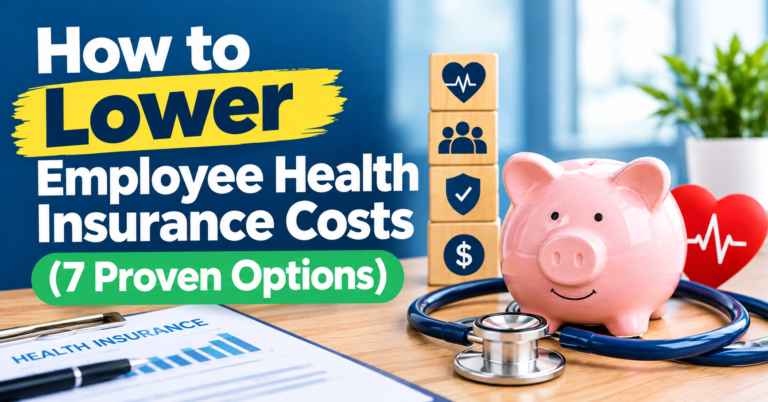
  • Benefits Management: One of the most attractive aspects of PEOs is their ability to leverage their aggregated employee pool to negotiate more affordable and comprehensive health insurance and other benefits packages. This gives small businesses access to “big company” benefits typically unavailable on their own, enhancing their ability to attract and retain talent.
  • Workers’ Compensation and Risk Management: PEOs often manage workers’ compensation insurance, including policy placement, premium administration, and claims management. Many also provide safety training and risk assessment services to help prevent workplace injuries.
  • HR Compliance and Consulting: PEOs keep abreast of evolving labor laws and regulations, providing guidance and ensuring the small business remains compliant. This includes assistance with employee handbooks, policy development, and legal interpretation. They act as a shield against potential legal liabilities.

Financial Advantages and Cost Savings

Beyond the administrative relief, partnering with a PEO can yield tangible financial benefits for small businesses. These savings stem from economies of scale and reduced risk.

Access to Affordable, Richer Benefits

A primary financial advantage arises from a PEO’s ability to pool the employees of all its client companies. This aggregated buying power allows PEOs to access large-group health insurance plans and other benefits at significantly lower costs than a small business could obtain independently.

  • Lower Premiums: Small businesses often face higher insurance premiums due to their limited risk pool. PEOs mitigate this by spreading risk across thousands of employees.
  • Broader Benefit Options: PEOs can offer a wider array of benefits, such as dental, vision, life insurance, disability insurance, and 401(k) plans, which might be cost-prohibitive for a standalone small business. This makes the small business a more attractive employer.

Reduced Administrative Overhead

The opportunity cost of small business owners and managers dedicating significant time to HR tasks is often understated. By outsourcing these functions to a PEO, businesses free up valuable internal resources.

  • Time Savings: No longer dedicating hours to payroll, benefits enrollment, or compliance research, owners and managers can redirect their focus toward revenue-generating activities and strategic planning.
  • Elimination of Dedicated HR Staff: For many small businesses, a PEO can serve as an outsourced HR department, negating the need to hire a full-time HR manager or specialist, which represents a substantial salary and benefits cost.

Mitigation of Compliance Risks and Penalties

Non-compliance with labor laws can result in devastating fines and legal fees. PEOs act as a buffer, significantly reducing these financial exposures.

  • Fewer Legal Headaches: PEOs ensure proper tax filings, adherence to wage and hour laws, and compliance with anti-discrimination statutes, reducing the likelihood of audits, lawsuits, and penalties.
  • Lower Workers’ Comp Premiums: PEOs often have significantly lower experience modifiers for workers’ compensation due to their larger, diversified risk pool and proactive safety programs, translating into lower premiums for client businesses.

Enhanced Employee Satisfaction and Retention

A well-administered HR function, coupled with competitive benefits, directly contributes to a positive employee experience. PEOs empower small businesses to offer this, thereby improving morale and reducing turnover.

Professional Benefits Administration

Employees appreciate clarity and ease when it comes to their benefits. PEOs provide professional management of these programs, reducing employee frustration and administrative burden on the employer.

  • Dedicated Support: Many PEOs offer direct employee access to benefits specialists who can answer questions, assist with enrollment, and help resolve issues, freeing the small business owner from this role.
  • Streamlined Enrollment: PEOs typically utilize online portals for benefits enrollment and management, making the process more efficient and user-friendly for employees.

Access to Professional HR Expertise

Employees benefit from clear policies, fair procedures, and expert guidance on HR-related matters. PEOs bring this level of professionalism to the small business environment.

  • Well-Defined Policies: With PEO assistance, small businesses can develop comprehensive employee handbooks and HR policies that are legally sound and clearly communicated. This creates a more equitable and predictable work environment.
  • Objective Counsel: For sensitive employee relations issues, PEOs can offer objective advice and mediation, ensuring fair and consistent treatment of employees.

Improved Employer-Employee Relationship

By offloading the administrative functions of HR, small business owners can focus on fostering a stronger, more direct relationship with their employees, away from transactional HR concerns.

  • Focus on Core Business: When administrative burdens are lifted, owners and managers have more time to mentor, motivate, and engage their team members, focusing on their growth and the company’s mission.
  • Reduced Stress for Employees: A well-managed HR function, providing consistent payroll, clear benefits, and responsive support, reduces employee stress related to these essential aspects of their employment.

For small businesses with fewer than 50 employees, partnering with a Professional Employer Organization (PEO) can be a game changer, especially during challenging economic times. A recent article discusses how PEOs can help these companies navigate financial uncertainties and streamline their operations. By outsourcing HR functions, businesses can focus on growth while ensuring compliance and employee satisfaction. To learn more about how PEOs can support small and medium-sized businesses during a recession, check out this insightful piece on how PEOs help SMBs survive recession.

Strategic Growth and Scalability


MetricDescriptionTypical Range for Companies Under 50 Employees
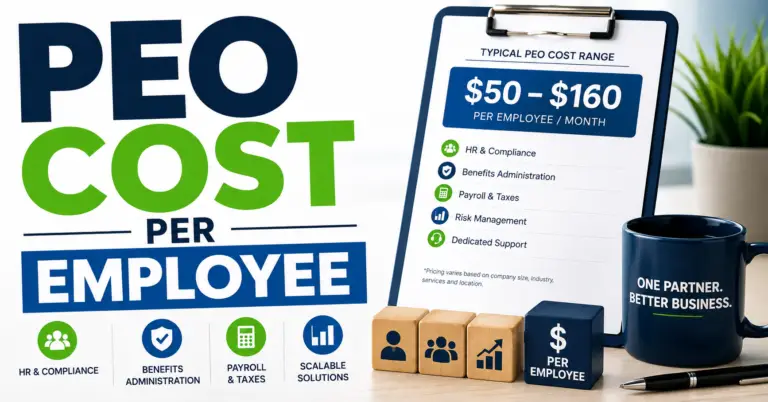
Cost per EmployeeMonthly fee charged by PEO per employee100 – 300
Payroll Processing TimeTime taken to process payroll each cycle1 – 3 days
Employee Benefits OptionsNumber of benefit plans available through PEO5 – 15 plans
Compliance SupportLevel of assistance with labor law and tax complianceHigh
Risk Management ServicesAvailability of workplace safety and workers’ comp managementIncluded
Onboarding TimeTime to fully integrate company with PEO services2 – 4 weeks
Employee Count LimitMaximum number of employees supported under typical small business PEO plansUp to 500 employees

For small businesses aspiring to grow, the PEO model offers a scalable solution that can adapt to changing workforce needs without overwhelming internal capacity. A PEO essentially builds a robust HR backbone for the business, capable of supporting expansion.

Scalable HR Infrastructure

As a small business adds employees, the complexity of HR functions typically grows disproportionately. A PEO provides an HR infrastructure that can effortlessly scale with the business.

  • Seamless Onboarding for New Hires: PEOs can streamline the onboarding process, from new hire paperwork and benefits enrollment to ensuring compliance with all necessary regulations, regardless of the number of new employees.
  • Adaptability to Growth: Whether adding a few employees or experiencing rapid expansion, the PEO’s services remain consistent and capable of handling increased volume without requiring the small business to invest in additional internal HR staff or systems.

Focus on Core Business Operations

The principal benefit of outsourcing non-core functions, such as HR administration, is the ability for the small business to concentrate its resources—time, attention, and capital—on its unique value proposition.

  • Innovation and Market Penetration: Freed from HR concerns, leadership can dedicate more time to research and development, sales and marketing strategies, and exploring new markets.
  • Entrepreneurial Focus: Business owners can revert to their entrepreneurial roots, focusing on what they do best: innovating, leading, and growing their enterprise, rather than being bogged down in administrative minutiae.

Strategic HR Consultation

Beyond transactional HR, many PEOs offer strategic HR consulting, providing small businesses with expert advice on workforce planning, talent development, and organizational design, which are crucial for sustainable growth.

  • Workforce Planning: PEOs can assist in forecasting staffing needs, developing job descriptions, and establishing compensation structures that are competitive and aligned with business goals.
  • Performance Management Systems: Guidance on implementing effective performance review processes and employee development programs can help cultivate a high-performing workforce.

In conclusion, for small businesses, the decision to partner with a Professional Employer Organization represents a strategic choice to offload the heavy lifting of HR administration and compliance. This collaboration removes a significant operational burden, offers access to superior benefits at competitive costs, mitigates substantial financial and legal risks, and ultimately frees the business to focus on its core mission and pursue sustainable growth. Like a skilled navigator, a PEO can steer a small business through the complex waters of human resources, allowing the business to maintain its course toward success.

Ready to find the right PEO? Book a call with us

FAQs


What is a PEO and how does it benefit companies with fewer than 50 employees?

A Professional Employer Organization (PEO) is a firm that provides comprehensive HR services to small and mid-sized businesses. For companies with fewer than 50 employees, a PEO can offer benefits such as access to better employee benefits, payroll processing, compliance assistance, and risk management, which might otherwise be difficult or costly to manage independently.

Can companies with under 50 employees legally use a PEO?

Yes, companies with fewer than 50 employees can legally engage a PEO. Many PEOs specialize in serving small businesses and tailor their services to meet the unique needs of smaller workforces.

How does a PEO handle employee benefits for small companies?

A PEO pools employees from multiple client companies to negotiate better rates and more comprehensive benefits packages, including health insurance, retirement plans, and other perks. This collective bargaining power often allows small companies to offer benefits comparable to those of larger organizations.

What are the typical costs associated with using a PEO for a small company?

PEO pricing models vary but commonly include a percentage of total payroll (usually between 2% and 12%) or a flat fee per employee per month. Costs depend on the range of services provided, the size of the company, and the specific PEO chosen.

Does partnering with a PEO affect a company’s control over its employees?

While a PEO becomes the employer of record for tax and regulatory purposes, the client company retains control over day-to-day operations, employee management, and business decisions. The PEO handles HR administration, compliance, and benefits management, allowing the company to focus on its core activities.

The advent of Professional Employer Organizations (PEOs) has introduced a significant evolution in how businesses, particularly small and medium-sized enterprises (SMEs), approach employee benefits, with health insurance standing as a cornerstone of these offerings. PEOs act as co-employers, pooling the administrative responsibilities of multiple client companies. This collective approach allows SMEs to access benefits, including health insurance plans, that would typically be reserved for much larger corporations. Understanding the PEO model and its implications for health insurance provision is crucial for businesses seeking to optimize their employee welfare strategies and navigate the complex landscape of healthcare costs.

A Professional Employer Organization (PEO) functions as a strategic partnership where a company outsources a significant portion of its human resources (HR) functions to a third-party provider. This co-employment relationship is not an outsourcing of management control but rather a sharing of administrative and compliance burdens. In this model, the PEO becomes the employer of record for tax and insurance purposes, while the client company retains control over day-to-day operations, hiring, firing, and direct management of employees. The core benefit of this arrangement, especially concerning health insurance, lies in the PEO’s ability to aggregate employees from numerous client companies, creating a larger risk pool.

The Mechanics of Co-employment

The Client Company’s Role

The client company remains the operational heart of the business. Its leadership team continues to make critical decisions regarding product development, sales strategies, service delivery, and overall business direction. Employees report to their direct supervisors within the client company and execute their job responsibilities as usual. The PEO handles the administrative backend, freeing up the client company to focus on its core competencies and growth initiatives.

The PEO’s Responsibilities

The PEO takes on a range of HR responsibilities, including payroll processing, tax filings, workers’ compensation administration, compliance with labor laws, and, prominently, the administration and procurement of employee benefits. This includes negotiating with insurance carriers on behalf of the collective workforce of its clients.

The Co-employer Status

The “co-employer” designation is key. It signifies that both the PEO and the client company share certain employer responsibilities. The PEO handles the transactional HR tasks and the procurement of benefits, assuming a degree of liability for compliance and benefit provision. The client company retains the responsibility for managing its employees’ performance and operational execution.

For those interested in exploring health insurance options through Professional Employer Organizations (PEOs), a related article can provide valuable insights. You can read more about the benefits of utilizing PEOs for health insurance and other employee benefits by visiting this link: Oklahoma PEO Companies. This resource outlines various PEO providers in Oklahoma and how they can help businesses streamline their health insurance offerings.

Advantages of PEOs for Health Insurance Procurement

The primary allure of PEOs for health insurance lies in their capacity to level the playing field for SMEs. By pooling employees from numerous businesses, PEOs assemble a considerable workforce, thereby enhancing their bargaining power with health insurance providers. This aggregation is analogous to a large dam holding back a vast reservoir of water; the sheer volume allows for greater control and influence over the flow, enabling better terms and conditions.

Enhanced Purchasing Power

Insurance carriers often offer tiered pricing structures based on the size of the insured group. Larger groups typically qualify for lower per-employee premium rates due to the reduced risk associated with a more diversified and larger enrollment. A PEO, by consolidating employees from many SMEs, can present a significant collective to insurers, often comparable to or exceeding the size of many individual large corporations. This increased size translates directly into more competitive pricing for health insurance plans.

Access to a Wider Range of Plans

Larger groups also typically grant access to a broader spectrum of health insurance products. SMEs, operating independently, might be limited to a few plan options from a single carrier due to the administrative complexities and potentially higher costs associated with managing multiple plans. A PEO, with its established relationships and larger enrollment capacity, can negotiate for a more diverse portfolio of plans, including various PPOs (Preferred Provider Organizations), HMOs (Health Maintenance Organizations), HDHPs (High Deductible Health Plans) often coupled with Health Savings Accounts (HSAs), and other specialized coverage. This allows client companies to select plans that best align with the specific needs and preferences of their workforce.

Improved Benefits Administration

The administrative burden of managing health insurance is substantial. This includes enrollment, eligibility tracking, claims processing support, compliance with regulations like COBRA (Consolidated Omnibus Budget Reconciliation Act) and HIPAA (Health Insurance Portability and Accountability Act), and communication with employees. PEOs possess specialized HR departments and sophisticated systems to manage these tasks efficiently. This frees up the SME’s internal resources, allowing them to concentrate on their core business activities rather than getting bogged down in the intricacies of benefits administration.

Compliance and Regulatory Expertise

The healthcare landscape is governed by a complex web of federal and state regulations. Navigating these requirements, such as the Affordable Care Act (ACA), can be overwhelming for small businesses. PEOs employ experts who stay abreast of these ever-changing regulations, ensuring that the health insurance plans they offer and administer are compliant. This expertise mitigates the risk of penalties and legal issues for the client company, providing a layer of security.

Types of Health Insurance Plans Available Through PEOs

PEOs typically offer a curated selection of health insurance plans that cater to a diverse range of employee needs and employer budgets. The specific offerings can vary between PEOs, but they generally encompass the major categories of health coverage, allowing for a degree of customization based on the client company’s requirements.

Preferred Provider Organization (PPO) Plans

PPO plans are a popular choice, offering recipients flexibility in their healthcare provider selection. They feature a network of “preferred” doctors, hospitals, and other healthcare providers. Members can receive care from providers both in and outside the network, though out-of-network care typically incurs higher out-of-pocket costs. PPOs often have deductibles, copayments, and coinsurance. The PEO’s collective bargaining power can help secure more favorable rates within these networks.

Health Maintenance Organization (HMO) Plans

HMO plans are characterized by their emphasis on coordinated care within a defined network of physicians and hospitals. Members are usually required to choose a primary care physician (PCP) who acts as a gatekeeper, authorizing referrals to specialists. HMOs often have lower monthly premiums compared to PPOs and generally require no deductibles for in-network services, with copayments for services rendered. The defined network structure can make cost predictability a significant advantage.

High Deductible Health Plans (HDHPs) with Health Savings Accounts (HSAs)

HDHPs are a strategic option for individuals who are generally healthy and wish to opt for lower monthly premiums. These plans come with a higher deductible that must be met before the insurance begins to cover most medical services. A significant advantage of HDHPs is their ability to be paired with Health Savings Accounts (HSAs). HSAs are tax-advantaged savings accounts that allow individuals to set aside money pre-tax to pay for qualified medical expenses. The funds in an HSA roll over year after year and can be invested, making them a valuable long-term savings tool. PEOs can facilitate the setup and administration of these accounts alongside the HDHP.

Other Specialized Plans

Beyond these core plan types, PEOs may also facilitate access to other specialized health insurance products. These could include:

  • Point of Service (POS) Plans: These plans blend features of both PPO and HMO plans, offering more flexibility than an HMO but typically with higher costs for out-of-network care than a PPO.
  • Dental and Vision Coverage: While often considered ancillary, PEOs can bundle comprehensive dental and vision insurance as part of their employee benefits packages, providing a holistic approach to employee well-being.
  • Group Term Life Insurance and Disability Insurance: Although not strictly health insurance, PEOs often include these important risk management and employee protection benefits as part of their overall offering.

The Cost Implications of PEO Health Insurance

The financial aspect of health insurance is a primary concern for any business. PEOs offer a multifaceted approach to cost management, aiming to reduce outlays for both the employer and the employee while improving the overall value proposition.

Reduced Premium Rates

As previously discussed, the economies of scale provide employers with access to lower per-employee premium rates than they could typically obtain on their own. This cost reduction is a direct benefit of the PEO’s aggregated purchasing power, allowing businesses to secure comprehensive coverage at a more affordable price point. This can significantly expand the budget available for other essential business investments.

Predictable Costs

PEOs often structure their fees in a transparent manner, typically as a percentage of gross wages or a per-employee, per-month fee. While this represents an additional cost for the business, it often bundles a host of HR services, making the overall expenditure more predictable than managing these functions internally and dealing with unpredictable benefit-related administrative costs. The PEO absorbs much of the fluctuation and administrative overhead associated with benefit management.

Potential for Reduced Claims Costs


While the PEO does not directly control employee health behaviors, their role in promoting wellness programs and offering access to preventive care can, over time, contribute to reduced claims costs. By encouraging employees to utilize in-network providers and to engage in healthier lifestyles, PEOs can indirectly influence the overall health of the covered population, which can have a positive impact on long-term premium stability.

Employer Tax Savings

PEO services, including health insurance premiums paid on behalf of employees, are generally considered a deductible business expense. This can provide tax advantages to the employer. Furthermore, when employees pay for their portion of health insurance premiums through pre-tax payroll deductions facilitated by the PEO, they also benefit from reduced taxable income, thereby increasing their take-home pay. This dual benefit makes the health insurance offering more attractive to employees and more financially sensible for the business.

For small businesses looking to navigate the complexities of health insurance, partnering with a Professional Employer Organization (PEO) can be a game changer. A recent article highlights how PEOs streamline HR management and provide access to better health insurance options for employees. By leveraging the collective bargaining power of multiple businesses, PEOs can offer more competitive rates and comprehensive plans. To learn more about the benefits of using a PEO for health insurance, you can read the full article here.

Navigating PEO Selection for Health Insurance

Choosing the right PEO is a critical decision that requires careful consideration. The health insurance offerings are a significant component of this decision, but a holistic evaluation of the PEO’s capabilities and fit is paramount. A mismatch in PEO selection can be like trying to fit a square peg into a round hole – it simply won’t work efficiently.

Due Diligence and Carrier Relationships

Assessing the PEO’s Insurance Carriers

It is essential to investigate the health insurance carriers with whom the PEO partners. What is their reputation? Do they offer plans that are well-regarded in your region? Does the PEO have strong, long-standing relationships with these carriers, which can translate into better service and more favorable terms? A PEO that works with a limited number of carriers or only with less reputable insurers might not be the best fit.

Plan Options and Network Strength

Beyond the carriers, scrutinize the specific plan options offered. Do they align with the demographics and health needs of your employee base? For PPO plans, what is the breadth and depth of their provider networks in your employees’ geographic areas? A strong network ensures employees can access care conveniently and affordably.

PEO Fees and Contract Terms

While cost is a factor, it should not be the sole determinant. Understand the PEO’s fee structure completely. Are there hidden fees? What is the term of the contract? Are there provisions for termination? A transparent and fair fee structure, coupled with reasonable contract terms, is indicative of a reputable PEO.

Client References and Reputation

Request client references, particularly from businesses of a similar size and industry. Speak with these references to understand their experience with the PEO, especially regarding their health insurance services. Look for online reviews and testimonials to gauge the PEO’s overall reputation in the market. A PEO with a strong track record of client satisfaction is more likely to provide reliable support.

Understanding the Human Resources Expertise

Beyond health insurance, the PEO’s overall HR expertise is vital. Do they have a dedicated team for benefits administration? Are they knowledgeable about current labor laws and compliance requirements? A PEO that provides comprehensive HR support beyond just benefits management can offer a more integrated and valuable solution for your business.

If you’re exploring options for health insurance through a Professional Employer Organization (PEO), you might find valuable insights in a related article that discusses the benefits of using a PEO for small businesses. This resource highlights how PEOs can streamline the process of obtaining health coverage while also providing additional HR support. For more information, you can check out the article here: PEO Marketplace.

The Future of PEOs and Employee Health Insurance

The role of PEOs in the provision of employee health insurance is likely to continue evolving, driven by changes in healthcare policy, technological advancements, and the growing demand for comprehensive employee benefits. As businesses continue to prioritize employee well-being as a competitive differentiator, PEOs are poised to remain a vital resource.

Technological Integrations

Future PEOs will likely leverage advanced technology to enhance the employee experience. This could include sophisticated online portals for benefits enrollment and management, AI-powered tools for personalized benefit recommendations, and seamless integration with wearable devices for wellness tracking and potential premium incentives. The aim will be to create a more user-friendly and data-driven approach to benefits administration.

Focus on Preventative Care and Wellness

There is a growing trend towards proactive healthcare. PEOs are likely to expand their offerings in preventative care and wellness programs. This could involve partnering with telehealth providers, offering access to mental health resources, and implementing more robust chronic disease management programs. By investing in employee health upfront, PEOs can help their clients reduce long-term healthcare costs and improve overall employee productivity and satisfaction.

Adapting to Regulatory Changes

The healthcare landscape is subject to ongoing regulatory changes. PEOs will need to remain agile and adapt their offerings to comply with new legislation and evolving healthcare mandates. Their expertise in navigating these complexities will be increasingly valuable for businesses. This adaptability is like a chameleon changing its colors to blend with its environment, ensuring survival and relevance.

Increased Specialization

As the PEO market matures, some PEOs may begin to specialize in specific industries or offer niche benefits packages. This could lead to PEOs that are particularly adept at serving the unique healthcare needs of sectors like technology, healthcare, or manufacturing, providing highly tailored and effective solutions. This specialization allows for a deeper understanding of industry-specific challenges and opportunities.

In conclusion, Professional Employer Organizations offer a compelling and intelligent solution for businesses seeking to provide robust health insurance benefits to their employees. By leveraging their collective bargaining power, administrative expertise, and deep understanding of the healthcare market, PEOs enable SMEs to access benefits comparable to those offered by much larger corporations, fostering a healthier, more secure, and more productive workforce. The strategic advantages they provide, from cost savings to compliance assurance, make them an indispensable partner for businesses navigating the complexities of employee welfare in the contemporary economic landscape.

Ready to find the right PEO? Book a call with us

FAQs


What is a PEO in the context of health insurance?

A PEO, or Professional Employer Organization, is a company that provides comprehensive HR services, including health insurance benefits, to small and medium-sized businesses by pooling employees to access better insurance plans.

How does a PEO help businesses with health insurance?

A PEO negotiates and manages health insurance plans on behalf of its client companies, often securing more competitive rates and broader coverage options due to the larger employee pool it represents.

Can small businesses benefit from using a PEO for health insurance?

Yes, small businesses often benefit from PEOs because they gain access to group health insurance plans that might otherwise be unavailable or too costly when purchasing insurance independently.

Are employees covered under the PEO’s health insurance plan considered employees of the PEO?

Legally, employees are co-employed by both the client company and the PEO, which allows the PEO to provide benefits like health insurance while the client company maintains control over day-to-day operations.

What should a business consider before partnering with a PEO for health insurance?

Businesses should evaluate the PEO’s reputation, the quality and cost of health insurance plans offered, contract terms, and how the PEO’s services align with their specific HR and benefits needs.

The landscape of payroll and HR outsourcing is often presented as a beacon of efficiency, promising to liberate businesses from administrative burdens. Among the prominent providers in this space is ADP TotalSource, a Professional Employer Organization (PEO) that offers a comprehensive suite of services. However, as with many complex service agreements, it is crucial for businesses to approach such agreements with a discerning eye, particularly concerning the potential for hidden fees. This article aims to illuminate these often-unseen costs associated with ADP TotalSource, empowering businesses to make informed decisions and avoid the financial pitfalls that can accompany such arrangements.

A Professional Employer Organization (PEO) acts as a co-employer for its clients. This co-employment relationship allows the PEO to assume certain employer-related responsibilities, often including payroll processing, benefits administration, HR compliance, workers’ compensation, and risk management. For businesses, the primary appeal of a PEO lies in its ability to leverage economies of scale, particularly in areas like health insurance and workers’ compensation premiums, which can be significantly lower than what a small or medium-sized business could secure individually.

The Core Services Offered

ADP TotalSource, as a leading PEO, provides a broad spectrum of services designed to cater to the diverse needs of growing businesses. These typically encompass:

  • Payroll Administration: This includes calculating wages, withholding taxes, processing direct deposits, and managing tax filings.
  • Benefits Administration: PEOs often offer access to a wider range of employee benefits, such as health insurance, dental, vision, life insurance, and retirement plans. They handle enrollment, eligibility tracking, and claims processing.
  • HR Support and Compliance: This encompasses guidance on employment law, employee handbooks, policy development, disciplinary actions, and compliance with federal, state, and local regulations.
  • Workers’ Compensation: PEOs usually provide workers’ compensation insurance, manage claims, and implement safety programs to reduce workplace injuries.
  • Risk Management: Beyond workers’ compensation, PEOs can offer expertise in areas like unemployment claims management, wage and hour compliance, and dispute resolution.

The Appeal of Co-Employment

The co-employment model is the bedrock of the PEO offering. Businesses essentially outsource the complexities of being an employer, allowing their internal teams to focus on core competencies and revenue-generating activities. This can be likened to a ship captain delegating the navigation of treacherous waters to an experienced pilot, freeing the captain to focus on charting the course and managing the cargo.

ADP TotalSource’s Market Position

ADP TotalSource operates within a competitive PEO market. Its brand recognition and extensive network of resources are significant draws for many businesses. However, this scale and breadth of service can also contribute to the complexity of its fee structures, making it imperative for clients to delve beyond the surface-level explanations.

When considering ADP TotalSource, it’s essential to be aware of potential hidden fees that could impact your overall costs. For a deeper understanding of the financial implications associated with Professional Employer Organizations (PEOs) and their retirement plans, you may find it helpful to read a related article on PEO retirement plans. This resource provides valuable insights into the various fees and structures that can affect your business. You can access the article here: PEO Retirement Plans.

Decoding ADP TotalSource’s Fee Structure: The Visible Costs

When initially engaging with ADP TotalSource, prospective clients are typically presented with what appear to be straightforward pricing models. These visible costs are the initial entry point into the financial commitment, and understanding them is the first step in comprehending the overall expense.

Per-Employee, Per-Payroll Fee Structure

One of the most common pricing methods in the payroll and HR outsourcing industry is a per-employee, per-payroll fee. This means a business pays a set amount for each employee processed on each payroll run. For example, if a business has 50 employees and runs payroll bi-weekly, they would incur this fee 26 times a year for each employee.

Factors Influencing Per-Employee Rates

The per-employee rate is not a static figure. It is influenced by several variables, including:

  • Number of Employees: Larger businesses often negotiate lower per-employee rates due to their volume.
  • Payroll Frequency: The more frequently payroll is run, the higher the cumulative cost.
  • Complexity of Payroll: Businesses with complex payroll needs, such as multiple pay rates, commission structures, or garnishments, may face higher per-employee fees.

Percentage of Payroll Fee Structure

Another prevalent model is a percentage of total payroll. In this scenario, the PEO charges a small percentage (e.g., 1-5%) of the total gross wages processed. This can seem attractive for businesses with fluctuating payroll expenses.

Potential for Escalation with Growth

While a percentage model might appear beneficial for companies experiencing rapid growth, it’s essential to consider the long-term implications. As employee compensation increases and the business expands, this percentage-based fee can escalate at a rate that may outpace fixed per-employee costs.

Base Service Fees

Beyond the per-employee or percentage-based components, ADP TotalSource, like other PEOs, may also implement a base service fee. This is a recurring charge, often monthly or quarterly, that covers the fundamental infrastructure and support provided by the PEO, regardless of the number of employees or payroll volume.

The Function of Base Fees

These base fees are often justified by the PEO as covering the costs of maintaining the technology platforms, compliance expertise, and dedicated account management teams that are essential to delivering their services.

Uncovering the Hidden Charges: The Shadows in the Contract

It is in the less conspicuous clauses and addendums of the service agreement where the “hidden fees” often reside. These are charges that may not be immediately apparent during initial sales discussions but can significantly impact a business’s bottom line. These fees can be akin to the unseen currents beneath the surface of a seemingly calm ocean, capable of steering a ship off course.

Implementation and Setup Fees: The Gateway Toll

Prospective clients should be vigilant about implementation and setup fees. These are one-time charges levied to onboard a new client onto ADP TotalSource’s systems and processes. While some level of setup is inherent in any transition, the magnitude and scope of these fees can vary considerably.

What Do Setup Fees Typically Cover?

These fees are generally intended to cover the costs associated with:

  • Data Migration: Transferring existing employee data, pay history, and benefits enrollment information into ADP TotalSource’s platform.
  • System Configuration: Tailoring the ADP TotalSource platform to the specific needs of the business, including setting up payroll, benefits, and reporting structures.
  • Training: Providing initial training to the business’s HR or payroll personnel on how to utilize the ADP TotalSource system effectively.

Questions to Ask About Setup Fees:

It is crucial to ask specific questions regarding these fees upfront. For instance:

  • What is the exact amount of the setup fee?
  • What specific services are included in this fee?
  • Are there any circumstances under which this fee might be waived or reduced?
  • What is the typical timeline for the implementation process?

Add-On Service Fees: The Unbundling of Value

While ADP TotalSource presents itself as offering comprehensive solutions, certain specialized services may be categorized as add-ons, incurring additional costs. These are services that fall outside the standard package and are charged separately.

Examples of Potential Add-On Services:

  • Advanced HR Consulting: Beyond basic HR compliance, businesses requiring in-depth consulting on complex employee relations issues, organizational development, or advanced training programs may face additional fees.
  • Specialized Reporting: Generating custom reports that go beyond standard financial or HR metrics might be subject to extra charges.
  • Time and Attendance Solutions: While some basic time tracking might be included, more sophisticated time and attendance systems with advanced features and integrations could incur supplementary costs.
  • Onboarding Portals: Dedicated online portals for new hire onboarding, beyond basic document submission, might be an extra charge.

The Danger of “Modular” Pricing:

This practice of unbundling services can sometimes feel like purchasing a car and then being charged for the steering wheel and the tires separately. The initial attractive price point can quickly inflate as a business realizes its need for functionalities that were not explicitly detailed in the core offering.

Minimum Service Fees: The Floor Beneath Your Costs

Even for smaller businesses or those experiencing a temporary downturn in employee numbers, ADP TotalSource may implement minimum service fees. These fees ensure a baseline revenue for the PEO, regardless of the actual service utilization.

Understanding the Minimum Threshold:

If a business’s calculated fees based on its employee count and payroll volume fall below a certain predetermined threshold, they will be charged the minimum service fee. This effectively sets a floor on how much a business will pay, protecting the PEO’s profitability.

Impact on Small Businesses:

For very small businesses or startups, this minimum fee can represent a significant portion of their operational budget, potentially making the PEO model less cost-effective than anticipated.

Transition and Termination Fees: The Exit Tax

The cost of leaving a PEO can sometimes be as weighty as the cost of engaging with one. Termination fees are charges levied when a business decides to end its contract with ADP TotalSource.

Reasons for Incurring Termination Fees:

These fees can be triggered by:

  • Early Contract Termination: If a business terminates the contract before the agreed-upon term expires, hefty penalties may apply.
  • Non-Compliance with Contractual Obligations: Failure to adhere to certain terms of the agreement throughout the contract period could also lead to termination fees.

The Importance of Contract Review:

Thoroughly reviewing the termination clause of any PEO contract is paramount. Understanding the notice periods, potential penalty structures, and any other conditions for exit can prevent unexpected financial obligations.

The Nuances of Workers’ Compensation Charges

Workers’ compensation is a crucial component of the PEO offering, often a significant driver for businesses to engage with providers like ADP TotalSource. However, the way these costs are structured can be a fertile ground for less transparent charges.

Payroll Processing and Workers’ Compensation Alignment

PEOs typically integrate workers’ compensation insurance premiums into their payroll processing. This means that a portion of each employee’s wages may be deducted to cover their workers’ compensation coverage.

Variable Rate Fluctuations:

The rate for workers’ compensation is not static. It is determined by various factors, including:

  • Industry Classification Codes: Different industries have varying levels of risk, leading to different premium rates.
  • Employee Job Functions: Within an industry, specific job roles with higher inherent risks will command higher premiums.
  • Claims History: A business’s history of workers’ compensation claims directly impacts its future premium costs. A higher claims history translates to higher rates.

The Experience Modification Factor (Mod):

This factor, often referred to as the “mod,” is a multiplier that adjusts a business’s workers’ compensation premium based on its past claims experience compared to other businesses in the same industry. A mod of 1.0 is considered average; a mod above 1.0 indicates a worse-than-average claims history and higher premiums, while a mod below 1.0 signifies a better-than-average history and lower premiums.

The Impact of Claims Management on Costs

The effectiveness of a PEO’s claims management can have a substantial impact on a business’s workers’ compensation costs over time. Poorly managed claims can lead to inflated premium increases.

The PEO’s Role in Mitigation:

A competent PEO will actively work to:

  • Investigate Claims Thoroughly: Ensuring that claims are legitimate and that fraudulent claims are identified.
  • Facilitate Employee Return-to-Work Programs: Helping injured employees return to their duties as soon as medically possible, often in modified roles, to reduce lost time and associated costs.
  • Implement Safety Programs: Proactively working with businesses to identify and mitigate workplace hazards, thereby reducing the likelihood of injuries.

Potential for Unexpected Surcharges

While most workers’ compensation premiums are based on predictable factors, there can be instances of unexpected surcharges. These might arise from:

  • State-Assigned Risk Pool Premiums: In some states, businesses with extremely poor claims histories may be assigned to a high-risk pool, which can involve additional surcharges.
  • Specific State Mandates: Certain states may impose surcharges or assessments related to workers’ compensation insurance that are not directly tied to individual claims.

When considering ADP TotalSource, it’s essential to be aware of potential hidden fees that could impact your overall costs. Many businesses have found themselves surprised by additional charges that were not initially disclosed, which can significantly affect budgeting and financial planning. For a broader perspective on the various Professional Employer Organizations (PEOs) available, you might find it helpful to read this article on the top PEO companies in Delaware. Understanding the landscape can help you make a more informed decision about your options. You can check it out here.

The Realm of Benefits Administration: More Than Just a Discount

Beyond the actual insurance premiums, PEOs will typically charge administrative fees for managing the benefits program. These fees cover the PEO’s costs in administering enrollments, handling claims inquiries, and ensuring compliance with regulations like ERISA.

Transparency in Administrative Fees:

It is essential to understand how these administrative fees are calculated. Are they a flat fee, a percentage of premium, or a per-employee charge? Clarity in this area prevents surprises.

Hidden Costs in Retirement Plan Administration

If ADP TotalSource offers retirement plan administration (e.g., 401(k) plans), there can be additional layers of fees to scrutinize.

Recordkeeping and Compliance Fees:

PEOs often partner with third-party administrators for retirement plans. These partnerships can introduce their own set of recordkeeping, administration, and compliance fees, which may be passed on to the client.

Investment Management Fees:

The underlying investment funds within a retirement plan will have their own expense ratios and management fees. While the PEO may not directly control these, their choice of plan providers can influence the overall cost to employees.

When considering the potential hidden fees associated with ADP TotalSource, it’s essential to explore how various Professional Employer Organizations (PEOs) structure their billing practices. A related article that delves into this topic is available at this link, which provides insights into the different ways PEOs, including ADP, may charge for their services. Understanding these billing methods can help businesses make informed decisions and avoid unexpected costs.

Navigating the Contractual Maze: Due Diligence is Key

The service agreement with a PEO like ADP TotalSource is a legally binding document that functions as the blueprint for your partnership. Diligent review and a thorough understanding of its contents are not merely advisable; they are essential for financial protection.

The Importance of Reading the Fine Print

This advice, cliché as it may sound, is critically important in the context of PEO contracts. The “fine print” often contains the clauses that define ancillary fees, termination conditions, and service level agreements.

Key Contractual Clauses to Scrutinize:

  • Fee Structure Details: Explicitly outlining all fees, including base fees, per-employee charges, percentage calculations, and any potential for surcharges.
  • Termination Clauses: Clearly defining notice periods, penalties for early termination, and any circumstances under which fees might be waived.
  • Service Level Agreements (SLAs): Defining the expected level of service and any recourse for failures to meet those standards.
  • Indemnification Clauses: Understanding the extent to which each party is liable for various risks and claims.
  • Data Ownership and Security Provisions: Clarifying who owns the data processed and how it will be protected.

Seeking Professional Legal and Financial Advice

Before signing any PEO contract, businesses should strongly consider engaging with legal counsel specializing in employment law and business contracts. Similarly, a financial advisor or accountant can help businesses project the true cost of the PEO service over time.

The Role of a Legal Review:

A lawyer can identify ambiguous language, unfavorable terms, and potential legal liabilities within the contract. They can also advise on negotiation strategies for more favorable terms.

The Financial Projection:

A financial advisor can assist in creating comprehensive financial models that account for all visible and potential hidden fees, allowing for an accurate assessment of the PEO’s cost-effectiveness compared to other solutions.

The Power of Negotiation

The initial proposal from ADP TotalSource is not necessarily the final word. Businesses have leverage during the negotiation phase, particularly larger organizations or those with specific needs.

Areas for Negotiation:

  • Fee Structure: Negotiating lower per-employee rates or more favorable percentage structures.
  • Implementation Fees: Seeking a waiver or reduction in setup costs.
  • Contract Length: Negotiating shorter initial contract terms to allow for a trial period.
  • Service Guarantees: Incorporating specific service guarantees with potential penalties for non-compliance.

By proactively addressing the potential for hidden fees and approaching the contract with a critical and informed perspective, businesses can navigate the landscape of PEO services more safely, ensuring that the promised efficiencies translate into genuine cost savings rather than an unforeseen financial burden.

Ready to find the right PEO? Book a call with us

FAQs


What are ADP TotalSource hidden fees?

ADP TotalSource hidden fees refer to additional charges that may not be clearly outlined in the initial pricing or contract. These can include fees for extra services, administrative costs, or penalties that clients might encounter beyond the base service fees.

How can I identify if ADP TotalSource has hidden fees?

To identify hidden fees, carefully review the service agreement and fee schedule provided by ADP TotalSource. Look for any charges labeled as administrative fees, setup fees, or additional service fees. Asking for a detailed breakdown of all potential costs before signing can also help.

Are hidden fees common with professional employer organizations like ADP TotalSource?

Yes, hidden fees can be common in the professional employer organization (PEO) industry, including with ADP TotalSource. These fees often cover services such as compliance assistance, payroll processing, or employee benefits administration that may not be included in the base price.

Can I negotiate or avoid hidden fees with ADP TotalSource?

It is possible to negotiate certain fees or clarify which services are included in the base price before signing a contract. Being proactive in discussing all potential charges and requesting transparent pricing can help avoid unexpected fees.

Where can I find more information about ADP TotalSource fees?

More information about ADP TotalSource fees can be found by reviewing their official website, contacting their sales or customer service representatives, or consulting third-party reviews and user experiences. Additionally, reading the contract terms carefully before committing is essential.

TESTIMONIALS

What They Say About Us

At PEO Marketplace, we’re committed to helping businesses find the perfect PEO to handle their HR, payroll, workers’ compensation, and employee benefits. With 20+ years of experience, we’ve helped countless companies—especially in high-risk industries like roofing and construction—secure the right PEO solutions.

Scroll to Top