Understanding Professional Employer Organizations (PEOs) can be instrumental for businesses seeking to optimize their operations and mitigate risk. PEOs offer a co-employment model, wherein a business enters into a contractual agreement with a PEO and becomes a co-employer of its employees for specific administrative, human resources, and compliance purposes. This strategic partnership allows small and medium-sized enterprises (SMEs) to gain access to resources and expertise typically reserved for larger corporations. This article delves into the multifaceted benefits and strategic considerations of engaging a PEO, drawing upon expert insights to illuminate its potential.
The concept of outsourcing HR functions has a lineage that predates the formal establishment of PEOs. However, the PEO model emerged as a sophisticated solution to address the growing complexities of employment law and benefit administration. Understanding its historical context is crucial for appreciating its current role in the business landscape.
Early Precursors and the Need for Specialization
The mid-20th century saw a burgeoning awareness of the legal and administrative burdens associated with employing staff. As the regulatory environment became more intricate, businesses, particularly those lacking dedicated HR departments, struggled to keep pace. This period witnessed the rise of specialized payroll services and benefits brokers, offering piecemeal solutions to specific pain points. These early services, while helpful, did not offer a comprehensive approach. The underlying issues of compliance, insurance procurement, and employee management remained fragmented.
The Birth of the Modern PEO
The modern PEO model truly began to crystallize in the late 20th century. Recognizing the demand for integrated HR solutions, PEOs began offering a bundled service package. This package often included payroll processing, tax administration, workers’ compensation insurance, health insurance, and basic HR support. The co-employment relationship, a cornerstone of the PEO model, emerged as the legal framework that allowed PEOs to pool employee numbers. This pooling was a critical development, as it enabled smaller businesses to achieve economies of scale, particularly in the realm of benefits. By aggregating the employee base of multiple client companies, PEOs could negotiate more favorable rates for health insurance, retirement plans, and other benefits. This was akin to a small boat joining a larger convoy; it gained the protection and advantages of the larger vessel.
Regulatory Developments and Industry Maturation
Over time, the PEO industry has undergone significant regulatory evolution. Federal and state legislation has been enacted to provide greater clarity and oversight to the PEO model. The establishment of industry associations, such as the Employer Services Assurance Corporation (ESAC) and the National Association of Professional Employer Organizations (NAPEO), has further contributed to the maturation and professionalization of the PEO sector. These organizations promote best practices, establish accreditation standards, and advocate for the industry, building trust and confidence among businesses considering PEO partnership. This structured approach has transformed PEOs from mere service providers into strategic partners for businesses.
The PEO as a Growth Catalyst
In essence, the evolution of PEOs reflects a natural progression in the business world. As businesses grew more complex and the regulatory landscape more demanding, the need for specialized expertise and integrated solutions became paramount. PEOs emerged as a response to this demand, offering a scalable and efficient way for businesses to manage their human capital effectively. They have transitioned from being a niche offering to a mainstream strategy for businesses looking to navigate the complexities of employment and unlock their growth potential.
If you’re interested in understanding how Professional Employer Organizations (PEOs) structure their billing for services, you might find this article particularly insightful. It delves into the various pricing models used by PEOs and provides a comprehensive overview of what businesses can expect when partnering with these organizations. For more details, you can read the full article here: How PEOs Bill for Services.
Core Services and Operational Synergies
The value proposition of a PEO lies in its comprehensive suite of services, designed to alleviate administrative burdens and enhance operational efficiency. Understanding these core offerings provides insight into how a PEO can act as an extension of a business’s internal capabilities.
Integrated Payroll and Tax Administration
Payroll processing is often the gateway service for businesses engaging with PEOs. This includes accurate calculation of wages, deductions, and withholdings, along with timely remittance of payroll taxes to federal, state, and local authorities. PEOs manage the complexities of tax compliance, a task that can be a significant drain on internal resources, especially with evolving tax laws and reporting requirements. They act as a central hub for all payroll-related activities, ensuring compliance and accuracy. The PEO effectively shoulders the heavy lifting of this intricate financial machinery, allowing the business to focus on its core revenue-generating activities.
Comprehensive Benefits Administration and Procurement
A significant driver for PEO adoption is the access to robust employee benefits packages. PEOs leverage their pooled purchasing power to secure group health insurance, dental and vision plans, life insurance, disability insurance, and retirement savings plans (such as 401(k)s) at rates often inaccessible to individual small businesses. Beyond procurement, PEOs manage all aspects of benefits administration, including enrollment, claims processing, and communication with employees and providers. This not only enhances employee satisfaction and retention but also removes a substantial administrative burden from the business. It’s like a small seed being planted in a fertile, well-watered garden, allowing it to grow stronger and healthier with access to essential nutrients.
Workers’ Compensation and Risk Management
Navigating the complexities of workers’ compensation insurance is another critical area where PEOs provide immense value. PEOs can secure more favorable workers’ compensation rates through their aggregated employee base, often offering pay-as-you-go options where premiums are paid based on actual payroll. Furthermore, PEOs play a vital role in risk management, implementing safety programs, assisting with claims management, and working to reduce workplace accidents. This proactive approach to risk mitigation can lead to lower insurance premiums and a safer working environment, protecting the business from potentially crippling liabilities. The PEO acts as a seasoned navigator, charting a course through the often-treacherous waters of occupational safety and insurance.
Human Resources Support and Compliance
Beyond the transactional aspects of payroll and benefits, PEOs offer expert HR support. This can encompass a wide range of services, including employee onboarding and offboarding, handbook development, policy creation, performance management guidance, and dispute resolution. Crucially, PEOs remain abreast of the ever-changing landscape of employment law, from federal regulations like the Fair Labor Standards Act (FLSA) and the Family and Medical Leave Act (FMLA) to state-specific mandates. They help businesses interpret and comply with these regulations, thereby mitigating the risk of costly lawsuits and penalties. This HR expertise acts as a vigilant guardian, shielding the business from potential legal entanglements that could derail its progress.
Talent Acquisition and Management Integration
While PEOs don’t typically handle the strategic aspects of identifying ideal candidates or defining job roles, they can integrate with and support a business’s talent acquisition and management processes. They can assist with background checks, onboarding paperwork, and ensuring that new hires are properly set up in the payroll and benefits systems. Some PEOs also offer modules or guidance on performance management and employee development, contributing to a more holistic approach to human capital management. This integration ensures that once talent is acquired, the administrative framework is in place to support its success within the organization.
Strategic Benefits for Business Growth

The engagement of a PEO extends beyond mere administrative relief; it offers tangible strategic advantages that can fuel a business’s growth trajectory. By offloading non-core functions, businesses can unlock resources and focus their energy on activities that directly drive revenue and market expansion.
Enhanced Focus on Core Business Competencies
One of the most significant strategic benefits of a PEO partnership is the liberation of internal resources. When a business outsources complex HR, payroll, and benefits administration, its leadership and key personnel are freed from the operational minutiae. This allows them to dedicate more time and energy to strategic planning, product development, sales, marketing, and customer relationship management – the very activities that drive business growth. Imagine a skilled artisan no longer spending hours grinding pigments but instead focusing on perfecting their masterpiece; the PEO handles the pigment preparation, allowing the artist to create. This regained focus is a powerful engine for innovation and market penetration.
Access to Enterprise-Level Benefits and Talent Attraction
As discussed, PEOs provide access to comprehensive and competitive benefits packages. For SMEs, this can be a game-changer in attracting and retaining top talent. In today’s competitive job market, robust benefits are often a deciding factor for potential employees. By offering benefits comparable to larger corporations, a business partnering with a PEO can significantly enhance its employer brand and its ability to recruit skilled professionals. This elevates the business from a contender to a preferred destination for talent. Having access to a broader talent pool is like opening new avenues of exploration; it leads to discovering untapped potential and driving forward progress.
Improved Compliance and Reduced Risk Exposure
The regulatory landscape for businesses, particularly concerning employment, is a complex and ever-shifting terrain. PEOs are experts in navigating these complexities. They ensure that businesses remain compliant with all applicable federal, state, and local employment laws, minimizing the risk of costly fines, lawsuits, and reputational damage. This proactive approach to compliance acts as a robust shield, protecting the business from the disruptive forces of legal challenges. The PEO essentially acts as a seasoned navigator, steering the business’s ship away from the hidden reefs of non-compliance. This peace of mind allows for a more stable and predictable operational environment.
Economies of Scale and Cost Efficiencies
The co-employment model enables PEOs to achieve economies of scale by pooling the employees of multiple client companies. This aggregated purchasing power translates into lower costs for services such as health insurance, workers’ compensation, and other employee benefits. Furthermore, by consolidating the administrative functions of payroll and HR, PEOs can offer these services at a cost that is often more efficient than maintaining an in-house HR department, especially for smaller businesses that cannot spread the fixed costs over a large employee base. This cost-effectiveness is akin to a group purchase; the more participants, the lower the individual price.
Scalability and Support for Growth
As a business expands, its HR and administrative needs grow exponentially. A PEO partnership offers inherent scalability. The PEO can easily accommodate an increasing number of employees without requiring the business to invest in additional infrastructure or personnel for HR functions. This allows businesses to scale their operations rapidly and efficiently, responding to market opportunities without being hindered by administrative bottlenecks. The PEO acts as a flexible scaffolding, readily adaptable to support the increasing height and reach of the growing structure. This inherent adaptability is crucial for businesses aiming for ambitious growth.
Navigating the PEO Landscape: Considerations for Selection

Choosing the right PEO is a critical decision that can significantly impact a business’s success. A thorough evaluation process is essential to ensure alignment with the company’s specific needs, culture, and long-term objectives.
Understanding Different PEO Models and Service Offerings
PEOs can vary in their service models and areas of specialization. Some PEOs focus on specific industries, offering tailored solutions and expertise. Others provide a broader range of services, catering to a diverse client base. It is imperative for businesses to understand the different PEO structures, such as those that focus on technology platforms versus those that emphasize personalized service, and to identify a PEO whose offerings align precisely with their operational requirements and growth ambitions. This is like choosing the right tool for a specific job; a general wrench might work, but a specialized socket will be far more effective.
Due Diligence and Financial Stability Assessment
Before entering into a co-employment agreement, it is vital to conduct thorough due diligence on potential PEO partners. This includes assessing their financial stability, operational track record, and client retention rates. Verifying their accreditations, such as those from ESAC or NAPEO, can provide an additional layer of assurance regarding their adherence to industry best practices and ethical standards. A PEO’s financial health is the bedrock upon which the entire partnership rests; a shaky foundation will inevitably lead to instability.
Service Level Agreements and Contractual Clarity
A clearly defined Service Level Agreement (SLA) is paramount. This document should meticulously outline the scope of services to be provided, performance metrics, responsibilities of both parties, termination clauses, and any limitations on liability. Understanding the nuances of the co-employment agreement is crucial, as it defines the legal and operational relationship between the business, the PEO, and the employees. Ambiguity in contracts can be as perilous as a poorly drawn map; clear definitions and expectations are essential for a smooth journey.
Cultural Fit and Communication Channels
Beyond the transactional aspects, the cultural fit between the business and the PEO is essential for a successful long-term partnership. Open and clear communication channels are vital for addressing concerns, resolving issues, and ensuring a seamless integration of HR functions. A PEO that understands and respects the client’s company culture can provide more effective and tailored support. It is about more than just signing a contract; it is about building a collaborative relationship. An analogy might be that of two musicians: even with different instruments, if they share a similar rhythm and tempo, they can create harmonious music.
Technology and Integration Capabilities
In today’s digital age, the technology platform offered by a PEO is a significant consideration. The PEO’s system should be user-friendly, robust, and capable of integrating with existing business software where necessary. Efficient technological integration streamlines processes, improves data accuracy, and enhances the overall employee and employer experience. A well-integrated technology ecosystem functions like a well-oiled machine, ensuring smooth and efficient operations across all departments.
If you’re looking for insights on PEO quotes, you might find it helpful to explore a related article that delves into the benefits of partnering with a Professional Employer Organization. This resource offers valuable information on how PEOs can streamline HR processes and improve employee management. For more details, check out this informative piece on PEO Marketplace.
The Co-Employment Relationship: A Closer Examination
The co-employment model is the foundational principle of PEO partnerships. Understanding its intricacies is key to appreciating both its benefits and the shared responsibilities involved.
Defining Co-Employment and its Implications
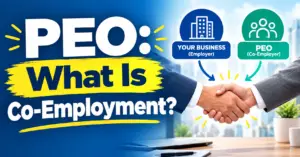
Co-employment, in the PEO context, means that the PEO and the client business are considered joint employers of the worksite employees. However, the client business retains ultimate control over the day-to-day operations, management, and direction of its employees. The PEO assumes responsibility for specific employer-related functions, such as payroll processing, tax remittance, benefits administration, and compliance. This shared responsibility structure is crucial; it’s not a handover of control, but rather a delegation of specific administrative duties.
Responsibilities of the Client Business
While the PEO manages many HR functions, the client business retains significant responsibilities. These include dictating job roles and responsibilities, managing employee performance, overseeing day-to-day work, and creating and maintaining a safe work environment. The client also remains responsible for the strategic direction of the business and has the authority to hire and fire employees. The PEO acts as a specialized support system, not a replacement for the direct management of staff.
Responsibilities of the PEO
The PEO’s responsibilities are clearly defined through the co-employment agreement. They include ensuring accurate and timely payroll processing, managing all employment tax filings and payments, administering employee benefits programs, providing guidance on compliance with employment laws, and often managing workers’ compensation claims. The PEO essentially becomes an outsourced HR department, handling the administrative and compliance-related aspects of employment.
Legal and Liability Considerations
The co-employment relationship has implications for legal and liability matters. In most cases, the PEO assumes liability for its management of the outsourced functions, such as payroll tax withholding errors or benefits administration mistakes. However, the client business remains liable for the direct management of its employees, workplace safety, and compliance with industry-specific regulations. Understanding the division of liability is critical for both parties to manage risk effectively. This is a carefully calibrated distribution of accountability, ensuring that each party addresses their specific areas of expertise and control.
Benefits of the Co-Employment Model
The co-employment model offers several advantages. For the client business, it provides access to expert HR and compliance support, economies of scale in benefits procurement, and reduced administrative burden, allowing them to focus on core business activities. For the employees, it means access to better benefits, more robust HR support, and potentially a more secure and compliant employment environment. The PEO acts as a bridge, connecting the operational needs of the business with the administrative requirements of employment.
If you’re exploring the benefits of PEO quotes for your business, you might find it helpful to read a related article that compares PEOs with insurance brokers. This insightful piece discusses the advantages and disadvantages of each option, helping you make an informed decision for your small business needs. You can check it out here for more details on how these two services stack up against each other: PEO vs Insurance Broker for a Small Business.
The Future of PEOs: Innovation and Adaptation
The PEO industry is not static. It continues to evolve in response to technological advancements, changing economic conditions, and the dynamic needs of businesses. Adapting to these shifts will be crucial for PEOs to maintain their relevance and value proposition.
Technological Advigilation and Digital Transformation
PEOs are increasingly leveraging technology to enhance their service delivery. Cloud-based platforms, artificial intelligence (AI), and automation are being integrated to streamline payroll processing, benefits administration, and HR reporting. This digital transformation allows PEOs to offer greater efficiency, improved data analytics, and a more seamless user experience for their clients and their employees. The technological arm of the PEO is becoming an indispensable component of its service offering, much like improved communication technology revolutionized global business interactions.
Specialization and Niche Market Focus
As the PEO market matures, there is a growing trend towards specialization. PEOs are developing expertise in specific industries, such as healthcare, technology, or construction, offering tailored solutions that address the unique HR and compliance challenges of those sectors. This niche focus allows PEOs to provide deeper insights and more effective support to their clients. It’s like a general practitioner evolving into a specialist; while the broad knowledge is still fundamental, targeted expertise opens up new levels of therapeutic effectiveness.
Emphasis on Employee Experience and Engagement
Beyond administrative functions, forward-thinking PEOs are placing a greater emphasis on enhancing the employee experience and fostering engagement. This includes offering tools and resources for employee development, wellness programs, and improved communication platforms. By supporting employee satisfaction and well-being, PEOs help their clients build stronger, more productive workforces. This focus on the human element is a significant shift, recognizing that a company’s greatest asset is its people, and investing in that asset yields substantial returns.
Global Expansion and Cross-Border Services
While historically focused on domestic markets, some PEOs are beginning to offer cross-border services, assisting businesses with international payroll, benefits, and compliance as they expand globally. This trend reflects the increasing globalization of business and the need for HR solutions that can support international operations. This expansion represents a natural progression for PEOs, extending their reach to assist businesses in navigating the complexities of a connected world.
The PEO as a Strategic HR Partner
The future of PEOs lies in their evolution from service providers to strategic HR partners. By offering not only administrative support but also proactive guidance, data-driven insights, and a deep understanding of business objectives, PEOs can become indispensable collaborators in a company’s growth journey. They are no longer just processing paperwork; they are helping to shape organizational strategy and foster a thriving work environment. This metamorphosis from administrator to advisor is the hallmark of a PEO poised for enduring success in the years to come.
Ready to find the right PEO? Book a call with us
FAQs
What is a PEO quote?
A PEO quote is an estimate provided by a Professional Employer Organization (PEO) that outlines the costs and services associated with outsourcing HR functions, payroll, employee benefits, and compliance management.
What factors influence the cost of a PEO quote?
The cost of a PEO quote typically depends on the number of employees, the range of services selected, the industry, and the specific needs of the business, such as payroll frequency and benefits packages.
How can businesses obtain accurate PEO quotes?
Businesses can obtain accurate PEO quotes by providing detailed information about their workforce, current HR processes, and desired services. It is also helpful to compare multiple PEO providers to understand pricing and service differences.
Are PEO quotes binding contracts?
No, PEO quotes are generally non-binding estimates. They serve as a preliminary offer and can be subject to change based on further negotiations or additional information provided by the business.
What services are typically included in a PEO quote?
A PEO quote usually includes services such as payroll processing, employee benefits administration, workers’ compensation, regulatory compliance, risk management, and human resources support. The exact services can vary depending on the provider and client needs.