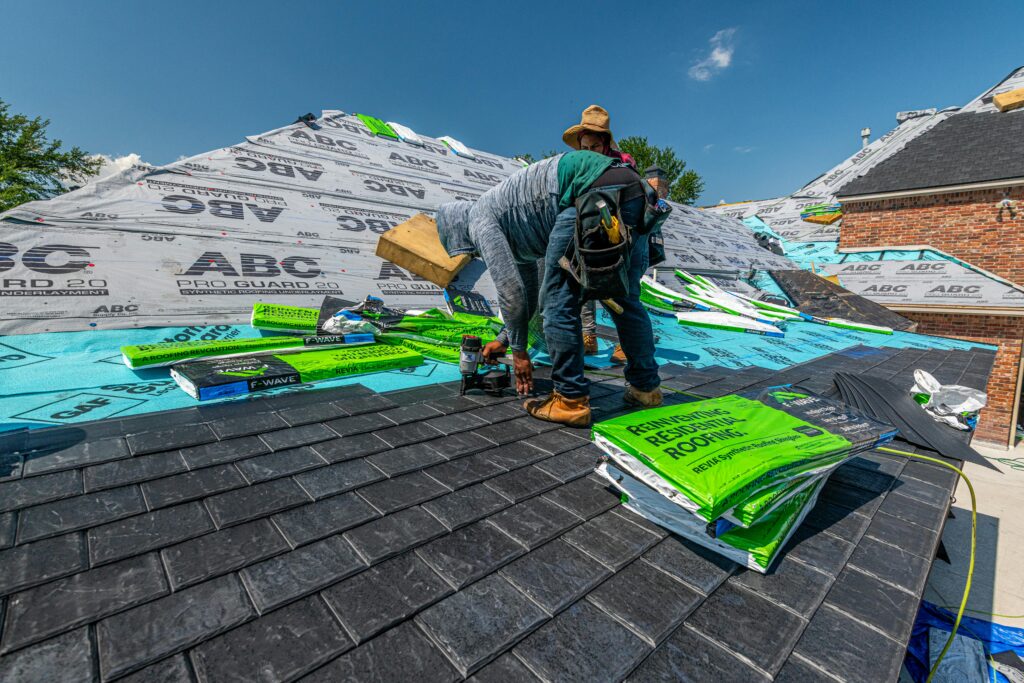
Roofing is one of the most hazardous trades in construction, making workers’ compensation a non-negotiable for contractors. Southeast Leasing, also known as Southeast Personnel Leasing, has long positioned itself as a PEO (Professional Employer Organization) specializing in high-risk industries like roofing.
But is Southeast Leasing’s workers’ comp program really the best fit for your roofing company? In this blog, we’ll examine Southeast Leasing’s offerings, weigh the advantages and drawbacks, and compare alternative workers’ comp solutions so you can make the most informed decision.
Section 1: Understanding Southeast Leasing’s Workers’ Comp for Roofers
1.1 Company Background & Reputation
Southeast Leasing has been operating for decades, offering payroll, HR, and workers’ compensation services primarily for construction and roofing businesses. Its reputation is built on serving companies that struggle to secure affordable coverage in traditional markets, especially those labeled as “hard-to-place risks.”
1.2 Workers’ Compensation Services Offered
Southeast Leasing provides roofing contractors with:
Pay-as-you-go coverage – avoiding large upfront deposits and end-of-year audits.
Claims management support – including light-duty/return-to-work programs.
Safety and compliance programs – OSHA reporting, drug testing, and on-site safety training.
Multi-state coverage – allowing contractors to operate across different regions under one policy.
Bundled HR & payroll services – reducing administrative overhead.
1.3 Benefits for Roofers
Roofing contractors often find Southeast Leasing appealing because of:
Easier access to workers’ comp when other carriers decline coverage.
Streamlined payroll and compliance alongside insurance.
Reduced cash-flow pressure thanks to pay-as-you-go billing.
Support for both small contractors and larger roofing companies with more complex risk profiles.
Section 2: The Pros and Cons of Southeast Leasing’s Workers’ Comp
2.1 Advantages
Accessibility for tough risks – roofers with high experience mods or past claims may still qualify.
No big deposits – pay premiums based on actual payroll each cycle.
Strong claims handling – dedicated programs to minimize downtime.
Scalability – works for both small and multi-state roofing firms.
Comprehensive services – HR, payroll, and benefits bundled with workers’ comp.
2.2 Disadvantages
Potentially higher costs – fees and PEO markups can make coverage more expensive.
Less control – the PEO model means Southeast Leasing manages certain employer functions.
Contract limitations – termination clauses and long-term agreements may restrict flexibility.
Carrier concentration risk – much of the coverage is tied to affiliated carriers, which limits choices.
Transparency concerns – separating administrative fees from actual insurance costs can be difficult.
2.3 Comparison to Industry Standards
Roofers typically face some of the highest workers’ comp rates, often ranging between $9.90 and $15.25 per $100 of payroll, depending on state laws and company history. Many insurance carriers avoid roofing altogether, forcing contractors into assigned risk pools.
Southeast Leasing’s main edge lies in its ability to place roofers who would otherwise be denied coverage. However, contractors with strong safety records and lower risk profiles might find more cost-effective options elsewhere.
Section 3: Alternative Workers’ Comp Options for Roofing Contractors
3.1 Other PEOs and Leasing Companies
While Southeast Leasing (SPLI) is well-known, it’s not the only PEO that offers workers’ comp for roofers. Many contractors assume SPLI is their only option, but that’s far from true.
PEO marketplace allows roofing contractors to compare multiple providers side by side, ensuring they aren’t locked into just one choice. By leveraging the marketplace, roofers can:
Get competitive quotes from different PEOs.
Access programs that specialize in high-risk industries.
Avoid overpaying by finding a provider better matched to their risk profile and state.
Examples of other providers available in the marketplace include:
ToughComp – focuses on high-hazard industries like roofing, offering pay-as-you-go workers’ comp.
AIU PEO – provides alternative workers’ comp programs designed for contractors.
Regional and national PEOs that also accept roofing classifications.
This comparison process helps contractors avoid the common trap of believing SPLI is their only path to coverage.
Want us to find you the best option? click here
3.2 Direct Carrier Programs
Beyond PEOs, several insurance carriers run roofing-specific workers’ comp programs, such as AmeriSafe, Accident Fund, Benchmark, and UBIC. These can sometimes provide lower rates for roofers with solid safety records.
For smaller firms or those struggling with claims history, state-assigned risk pools may also provide coverage, though often at higher cost.
3.3 How Roofers Can Choose the Best Option
When deciding between Southeast Leasing, other PEOs, and direct carrier programs, roofing contractors should weigh:
Total cost (premiums + admin fees).
Claims handling and support (quality of safety programs, responsiveness).
Flexibility (multi-state coverage, contract terms).
Carrier stability (financial strength ratings).
Transparency (clear separation of insurance costs from service fees).
Conclusion
Southeast Leasing provides roofing contractors with a workers’ compensation solution that is accessible, convenient, and backed by industry experience. For roofers struggling to secure coverage, it can be a lifeline.
However, it may not be the most affordable or flexible choice for every roofing company. By comparing Southeast Leasing’s services with other PEOs, direct insurance carriers, and specialty roofing programs, contractors can make a smarter decision that balances cost, coverage, and control.
Bottom line: Do your homework, request multiple quotes, and carefully review contract terms before committing. The right workers’ comp provider can protect both your crew and your bottom line.