PEO Workers Comp

Choosing how to manage your employees’ benefits (especially health insurance) is one of the more complex strategic decisions a small business owner faces. Two common paths are working with a PEO (Professional Employer Organization) or relying on an insurance broker. While both help you with insurance, their roles, risks, and returns are very different.

In this blog you’ll learn:

  • What a PEO and an insurance broker do

  • The core differences between them

  • Pros and cons of each for small businesses

  • How to decide which model fits your needs

  • Best practices if you go either route

Let’s dive in.


What Is a PEO?

A Professional Employer Organization (PEO) is a service provider that co‑employs your staff under a contractual agreement. The PEO becomes the “employer of record” for many administrative, legal, and benefits functions, while your company retains control over core business operations and management direction.

Some of the services a PEO typically handles include:

  • Payroll processing and tax filing

  • Benefits administration (health, retirement, etc.)

  • Workers’ compensation and risk management

  • HR compliance, onboarding, employee relations

  • Regulatory compliance across states

Because the PEO pools many client companies together, it may be able to negotiate better insurance rates and benefits packages as a collective group.

However, the PEO model involves fees (often a percentage of payroll or flat per-employee charges) and a deeper integration into your HR operations.


What Is an Insurance Broker?

An insurance broker (specifically in the benefits / health insurance domain) is an intermediary who helps your business find, compare, and secure insurance policies from multiple carriers. Brokers do not become your co‑employer. Their role is advisory and transactional.

Typical functions of a broker include:

  • Evaluating and presenting insurance plan options

  • Negotiating terms and premiums with carriers

  • Helping with enrollments and claims navigation

  • Advising on regulatory requirements related to benefits

  • Periodic renewals and plan changes

Brokers are often compensated via commissions from insurance providers rather than direct fees from your business (though some may charge advisory or administrative fees).

Because brokers are not co‑employers, they do not assume liability for HR compliance or co‑employment risk. That responsibility remains with your business.


PEO vs Broker: Key Differences

Here’s a side-by-side comparison of the major distinctions and tradeoffs:

Feature / DimensionPEOInsurance Broker
Scope of ServicesBroad — HR, payroll, benefits, compliance, risk managementNarrow — insurance & benefits only
Co‑employment / LiabilityYes — shares employment responsibilities and some liabilitiesNo — you retain full employer liability responsibility
Access to Benefits / Pooling PowerStrong — PEOs aggregate many companies, often giving better leverageMore limited — subject to your business size and insurer options
Control & FlexibilitySome loss of autonomy in processes, benefits, etc.You retain more control over HR/benefits decisions
Cost StructureRecurring fees (percentage of payroll or per-employee)Brokers typically earn commissions (from carrier). Some also charge service fees
Compliance Support & Risk ManagementOften includes compliance services, audits, dispute management, regulatory supportBrokers generally advise on compliance limited to insurance law; broader HR legal risk still lies with you
Contractual CommitmentUsually one year contract with exit termsLower commitment, more flexibility
Plan OptionsLimited to the PEO’s network of carriers and plansAccess to many carriers and more plan variety
Ongoing AdministrationPEO often handles benefit administration, employee support, claims issues, HR ComplianceBroker role usually ends after plan placement or with minimal ongoing support

Pros and Cons of Each for Small Businesses

PEO: Pros

  1. Integrated HR & Benefits
    PEOs give you a one-stop solution, handling payroll, tax, benefits, compliance, etc. That reduces the number of vendors you need to manage.

  2. Better Buying Power for Benefits
    Because PEOs pool many clients into large risk groups, they can often negotiate better rates or access more favorable plans.

  3. Compliance & Risk Support
    PEOs typically provide HR compliance services, audits, and take on portions of liability (within contract). That helps protect your small business from employment missteps.

  4. Administrative Relief
    Offloading benefits administration, payroll processing, claims handling, etc., can free up time and reduce internal overhead.

PEO: Cons / Risks

  1. Costs & Fees
    PEOs often bundle administrative costs and may include markups for benefits, making the total cost opaque.

  2. Less Flexibility / Choice
    Because you use the PEO’s carrier network, you may have fewer plan options and less customization.

  3. Control Tradeoffs
    Some decisions and workflows may shift to the PEO, reducing your control over benefits design, HR protocols, etc.

  4. Contractual & Exit Constraints
    Exiting a PEO or switching away may involve penalties, transition challenges, or data migration hurdles if not addressed prior to onboarding.

  5. Hidden Costs & Transparency
    Without careful review, you may overlook hidden fees, benefit administration markups, or price escalations.


Broker: Pros

  1. Greater Flexibility & Control
    You pick your plan, carrier, and stay fully in charge of HR / benefits decisions. The broker aids, but doesn’t dictate.

  2. Lower Upfront Costs
    Brokers often earn commissions from insurers, so you may pay less in direct fees compared to the bundled costs of a PEO.

  3. Broader Plan Options
    Brokers often can access a wider variety of insurance carriers and tailor a plan mix based on your needs.

  4. Independent Advice & Advocacy
    A good broker works on your behalf, not tied to one provider, giving you more objective comparisons.

Broker: Cons / Risks

  1. Limited HR Services
    A broker only handles insurance — you’ll still need to manage payroll, compliance, HR, benefits administration on your own or via other vendors.

  2. No Shared Liability / Risk Protection
    Brokers don’t assume employment liabilities, so your business retains full exposure to HR legal risk.

  3. Commissions Can Skew Recommendations
    Because brokers get paid by carriers, there is potential for bias in recommending more expensive plans or those with higher commissions.

  4. Limited Ongoing Support
    Many brokers’ engagement ends once the policy is placed; they may not assist significantly with claims issues or benefit administration afterward.


Which Is Right for Your Small Business?

Deciding between a PEO or insurance broker depends on your priorities, capacity, and growth plans. Here’s how to think about it:

Use a PEO if:

  • You want an all-in-one HR + benefits partner

  • You don’t yet have internal HR capacity

  • Compliance risk is high (e.g. multi-state employees)

  • You want to access better benefits through pooling

  • You’re okay with some tradeoff of control in exchange for relief

Use a Broker if:

  • You already have HR/benefits infrastructure and only need plan procurement

  • You want to maintain full decision control over benefits

  • You prefer flexibility and lower commitment

  • You want broader plan options and fewer constraints

  • You’re cost-sensitive and want transparency in commission-based models

You may also opt for a hybrid approachusing a broker to shop PEOs or benefits, combining vendor support selectively.


Best Practices If You Go Either Route

  • Request fully itemized cost breakdowns (PEO or broker)

  • Ask for comparisons / benchmarks in the industry

  • Review exit and transition terms carefully

  • Check compliance coverage (especially for PEOs)

  • Ask about technology, integration, self-service portals

  • Seek references or case studies of similar businesses

  • Negotiate trial periods or review windows


Conclusion

There’s no one-size-fits-all. A PEO can be a powerful, integrated solution to offload HR, benefits, and compliance tasks — at the cost of deeper vendor integration and contractual commitment. An insurance broker gives you narrower but more flexible control over benefits procurement, with fewer commitments but also fewer services.


Startups thrive when founders are freed to focus on vision, product, and growth — but HR, payroll, and compliance can become draining distractions. A PEO (Professional Employer Organization) can shoulder those burdens, but picking the ill‑fitting one can cost time, money, and flexibility.

In this blog, you’ll discover:

  • What a PEO is and why startups use them

  • When it makes sense to bring in a PEO

  • Key criteria and questions to evaluate PEOs

  • Common red flags to avoid

  • Steps to onboard and future‑proof your PEO relationship

Let’s get started.


1. What Is a PEO & Why Startups Use Them

A Professional Employer Organization (PEO) enters into a co‑employment agreement with your startup. The PEO becomes the “employer of record” for many administrative, legal, and benefits tasks, while your startup retains control over daily operations, culture, and management decisions.

Typical services offered by PEOs include:

  • Payroll processing and employment tax filings

  • Benefits administration (healthcare, retirement, etc.)

  • Regulatory compliance and risk management

  • Onboarding, HR support, performance management, employee relations

Why startups turn to PEOs:

  • You likely don’t have capacity (or budget) yet for a full HR team

  • You want to offer competitive benefits even at small scale

  • Compliance risks are high as laws vary across states or as you scale

  • Payroll / HR overhead eats up time you’d rather spend on growth

According to one source, many startups engage a PEO when they reach ~ 10–50 employees — it’s often the inflection point where internal HR becomes inefficient.


2. When Should a Startup Consider Using a PEO?

Not every startup needs a PEO from day one, but there are common signals that suggest it’s time:

  • HR administration and compliance are distracting your team

  • You’re expanding into new states and uncertainty about multi‑state laws is risky

  • You want to offer benefits (health, retirement) but can’t negotiate favorable rates alone

  • You’re hiring rapidly and need consistent processes

  • You’ve secured funding and expect growth — you need scalable infrastructure

One review suggests the “sweet spot” for PEO adoption is once the team is large enough to justify outsourced HR but still small enough that internal HR isn’t a full cost center.


3. Key Criteria: How to Choose a PEO for Your Startup

When evaluating PEO options, use the following criteria (and ask the associated questions):

3.1 Transparent & Predictable Pricing

  • Do they charge a percentage of payroll, a flat per‑employee fee, or a hybrid?

  • Are there extra fees (onboarding, software, termination, benefit admin)?

  • Can they give you an itemized quote showing what’s base vs add-ons?

3.2 Scalability & Flexibility

  • Can they support your growth (new hires, new states, remote work) without huge contract renegotiation?

  • Do they offer modular service layers (you pay for what you need)?

  • What does their transition or exit look like if you want to move in‑house?

3.3 Technology & Integrations

  • Is their HR/payroll platform intuitive, user friendly, and well supported?

  • Does it integrate with your existing systems (accounting software, ATS, time tracking)?

  • Can employees self‑serve for payslips, benefits, HR requests?

3.4 Compliance, Risk & Liability Safeguards

  • Are they IRS‑certified PEOs (CPEO) or ESAC‑accredited?

  • How do they manage payroll tax risk, state regulations, workers’ compensation, unemployment?

  • Ask for audited financials or credit stability evidence.

3.5 Experience, Reputation & References

  • Do they have clients in your industry or stage of growth?

  • Request references and case studies.

  • Check reviews (G2, TrustRadius, etc.).

  • Ask about their client retention rate.

3.6 Services Depth & Customization

  • Are all the services you need covered (recruiting, training, onboarding, performance, benefits) or only basic HR/payroll?

  • Can they tailor benefits or perks to your startup’s needs (equity, flexible work, wellness)

  • Do they offer strategic HR consulting or just administrative services?


4. Questions to Ask Prospective PEOs

When speaking to PEO vendors, here are core questions to help you compare and decide:

  1. What services are included vs optional?

  2. How is pricing structured? Are there hidden or add-on fees?

  3. What is your client minimum / maximum / contract term?

  4. Can I see sample contracts and exit terms?

  5. Which states are you licensed / able to operate in?

  6. How do you manage payroll tax risk and compliance?

  7. What technology / integrations do you support?

  8. How many clients like me do you already serve?

  9. Can I speak with a current client similar to my startup?

  10. How do you handle data security and privacy?

Paychex calls out similar questions when advising how to choose a PEO.


5. Red Flags to Watch Out For

  • Refusal to share client references or case studies

  • Lack of pricing transparency or hiding fees

  • No exit / termination plan, or heavy penalties

  • Poor or clunky technology platform

  • Limited state coverage when you may expand across states

  • No evidence of financial stability, audits, or certifications

  • Overpromising (e.g. “we’ll solve everything instantly”) without clear process


6. Steps to Onboard & Transition to a PEO

Once you choose a PEO, here’s a roadmap to make the switch smooth:

  1. Gather HR and payroll data (employee list, salary, benefits, tax history)

  2. Review & sign the co‑employment agreement / contract

  3. Map responsibilities — clarify who handles what (you vs PEO)

  4. Integrate systems / migrate data into the PEO’s platform

  5. Employee communication — explain changes to payroll, benefits, who to contact

  6. Pilot first payroll in parallel to catch errors

  7. Monitor & evaluate performance — compare metric to expectations


Conclusion & Call to Action

Choosing the right PEO for your startup is an investment in scalability and peace of mind. You’ll want a partner who offers transparency, flexibility, strong technology, compliance protections, and a reputation you can trust. We can help you find your ideal PEO for scale.

Running a small business with just 10 employees often means wearing many hats — HR, payroll, benefits, and legal compliance fall onto you or one overworked team member. A misstep in employment law can lead to costly penalties. That’s where a PEO (Professional Employer Organization) can help.

By partnering with a PEO, your business can offload much of the administrative burden and gain access to benefits, compliance resources, and HR best practices typically reserved for larger companies. In this post, we’ll walk you through:

  • What a PEO is and how it works

  • The pros and cons specifically for a 10‑employee company

  • Top PEOs in the U.S. suited for small businesses

  • How to evaluate and choose the right one

  • Steps to onboard and transition

  • Common FAQs

Let’s dive in.


1. What Is a PEO & How It Works

A Professional Employer Organization (PEO) is an external HR services provider that enters into a co‑employment agreement with your business. Under this model:

  • The PEO becomes the “employer of record” for tax purposes, benefits administration, and compliance.

  • Your business retains control over daily operations, employee selection, culture, and performance management.

  • The PEO handles payroll, tax filings, benefits, workers’ compensation, HR consulting, and regulatory compliance.

This differs from an Administrative Services Organization (ASO), which provides HR and payroll support but doesn’t take on co‑employment or liability.

PEOs typically charge either:

  • A percentage of payroll (e.g. 2–6 %)

  • A flat per-employee fee

  • Or some mix of both

They may also have onboarding costs, benefits administration markups, or termination fees to be aware of.

Benefits of using a PEO include:

  • Access to group health insurance and retirement plans you couldn’t otherwise get with only 10 employees

  • Reduced compliance risk (labor laws, tax filings, audits)

  • Time savings, allowing you to focus on core business

  • Streamlined HR processes and better technology


2. Why a 10‑Employee Business Should (Or Shouldn’t) Use a PEO

Advantages

  • Economies of scale: The PEO pools many small companies together, unlocking group pricing for benefits and insurance.

  • Risk mitigation: The PEO typically assumes responsibility for some employment‑related liabilities.

  • Compliance support: They track ever-changing laws across states and local jurisdictions.

  • Focus on growth: You spend less time on paperwork and more on business strategy.

Potential Drawbacks

Small business team of ten employees collaborating, representing HR outsourcing and PEO services

  • Less control: The PEO’s processes and rules may override some internal preferences.
  • Cost vs. benefit tradeoff: For very simple operations, a PEO may be costlier than managing in-house.

  • Contract lock‑in or termination fees — exiting early may incur penalties.

  • Hidden fees (benefits admin charges, technology access, etc.). Always request a fully itemized quote.

When a PEO is a good fit at the 10‑employee scale:

  • You’re expanding into multiple states and need help with multi‑state compliance

                                    • You want to offer better benefits to compete for talent

                                  • HR burden is distracting you from business operations


3. Top PEOs for Small Businesses (Especially ~10 Employees)

Here are several PEOs commonly recommended for small U.S. businesses. Each has strengths and tradeoffs; your ideal choice depends on your needs.

PEOStrengths / Unique FeaturesThings to Watch / Best Fit
JustworksTransparent pricing, modern platform, good for startups and small firmsMay have limited customization; check geographical coverage
TriNetIndustry-specific HR expertise, strong benefits access, broad service suiteCan be more expensive; onboarding may be heavy
FrankCrumFull-service HR support, training, benefits, risk managementMay have higher thresholds or constraints; contracts can be binding
ADP TotalSource Strong brand, wide network, robust infrastructurePricing may be opaque; smaller companies must confirm minimums
Deel PEOGood for distributed work and remote setups, compliance across statesNewer model—confirm U.S.-only coverage, customer support, integration

Example comparisons:

  • Justworks vs TriNet: Justworks is simpler and more transparent, ideal for small teams; TriNet brings deeper HR sophistication but with more overhead.

  • FrankCrum is strong when you want heavy HR support and benefits but may come with stricter contract terms.

  • ADP Totalsource offers scale and stability; useful if you anticipate significant growth or multi-state operations.

  • Deel PEO is attractive if you already have remote or cross-state employees and want a modern, flexible system.


4. How to Evaluate and Choose the Best PEO for Your 10‑Person Business


Key Criteria & Questions

  1. Service scope: Do you need payroll, benefits, compliance, HR consulting, recruiting, employee development, or just the basics?

  2. Platform / technology: Is the system user-friendly? Does it integrate with your current accounting or HR software?

  3. Pricing transparency: Ask for fully itemized, unbundled quotes — know what is base, what is markup.

  4. Minimums / contractual terms: Some PEOs have minimum employee counts or long contract durations.

  5. Geographic / industry coverage: If your employees are in different states or your business is in a regulated industry, check that the PEO supports those areas.

  6. Reputation, accreditation & financial stability: Look for ESAC accreditation or ratings, customer reviews, BBB ratings.

  7. Customer support & account management: Are you assigned a dedicated rep? What’s the responsiveness?

  8. Exit terms / flexibility: What happens if you want to leave? Are there penalties?

Decision Checklist / Scorecard

Create a weighted scorecard (e.g. 0–5 or 0–10) for each criterion. For example:

CriteriaWeightPEO A ScorePEO B ScoreEtc.
Platform usability20%86
Pricing transparency15%97
Service depth15%79
Geographic coverage15%88
Contract flexibility10%69
Reputation / trust15%97
Support & onboarding10%88

Sum weighted scores and compare.

Also, conduct trial conversations or demos with 2–3 finalists and compare how they respond to your specific questions.


5. Steps to Onboard & Transition to a PEO

1. Gather and prepare your data

  • Employee roster, salaries, benefits, payroll history

  • Tax records, work comp claims, SUI rates

2. Sign and review the co‑employment agreement

  • Ensure you understand liabilities, responsibilities, termination terms.

3. Data migration / system setup

  • Import employee data, configure payroll schedules, benefits selection.

4. Employee communication

  • Inform your team about the change, explain how benefits, payroll, communications will work under the PEO.

5. Pilot / transition period

  • Run payroll and benefits side-by-side in the first month to catch issues.

6. Review performance and feedback

  • After 90 days, assess whether the PEO is delivering as promised relative to your checklist.


6. Frequently Asked Questions (FAQ)

Do PEOs work if all employees are remote or across multiple states?
Yes — but you must verify that the PEO is licensed and capable in each state where you have employees.

Can I cancel the PEO later or bring HR back in-house?
Usually yes, but check contract terms for early termination fees or notice requirements. Also inspect data portability.

Are there industries where PEOs are less ideal?
Yes — very niche, highly regulated, or unionized industries may require specialized HR firms rather than standard PEOs.

What’s the typical ROI or cost savings?
Some companies report a reduction in HR overhead of 10–25% and lower audit risk. But ROI depends heavily on your baseline costs and the scale of services you shift to the PEO.


Conclusion & Call to Action

Choosing the right PEO for your 10‑employee business can dramatically reduce your administrative burden while unlocking benefits and compliance support you otherwise couldn’t access. Use the checklist, request full quotes, and test demos.

If you want help shortlisting 2–3 PEOs tailored to your industry or state (or walking through scorecards to pick one), We’re happy to assist.

No business leader enjoys thinking about economic downturns. But whether it’s a global financial crisis, a domestic slowdown, or sudden shifts in industry demand, small and midsize businesses (SMBs) often take the hardest hit. 

A startling stat from the National Association of PEOs reveals that SMBs partnered with a Professional Employer Organization (PEO) are 50% less likely to go out of business during a recession. The numbers speak for themselves. The question is whether your current infrastructure can handle another shakeup.

What a PEO Actually Does

Think of a PEO as a back office on autopilot. The PEO steps in as a co-employer, meaning they take on certain legal responsibilities and handle key employee functions. This can include:

  • Payroll processing
  • Workers’ compensation
  • Benefits administration
  • HR compliance
  • Hiring paperwork and onboarding
  • Risk management services

    peo for the ceo

The business owner still manages day-to-day operations and decisions, while the PEO handles administrative load and legal compliance. This shared responsibility model is what allows SMBs to function with fewer internal HR headaches and better cost control.

The IRS recognizes certified PEOs (CPEOs), offering an additional layer of legitimacy and protection. PEO-Marketplace, for instance, only connects businesses with bonded, IRS-certified and ESAC-accredited PEOs, which have undergone strict financial and operational scrutiny.

Recession Risk: SMBs With and Without a PEO

Let’s compare a typical outcome during a market contraction.

RISKWITHOUT A PEOWITH A PEO
Payroll DelaysHigher risk due to changing regulationsCentralized systems prevent lag & reduces errors
Workers’ Comp Audit FailuresManaged internallyHandled directly by PEO
Employee TurnoverLittle to no benefit optionsCompetitive plans retain workers
Regulatory ViolationsBusiness owner responsibilityPEO maintains compliance files
Financial Survival OddsReduced by up to 50%Higher odds of business continuity

These are not theoretical risks. Many companies fold not because they lack demand but because administrative gaps pile up and bleed out capital when it is most needed.

Quantifiable Stability from PEO Partnerships

Organizations that enlist PEO services benefit from documented, measurable advantages:

  • 50% lower chance of going out of business annually, compared with closely m
  • atched businesses without PEO support (NAPEO, 2024).

  • Growth rates over twice as fast as comparable non‑PEO firms (NAPEO, 2024).

  • 12% lower employee turnover (50.4% vs. 57.6%) (StratusHR, 2024).

  • Average ROI of working with a PEO stands at 27.2 percent annually (ESI, 2025).

  • Annual HR cost savings of around $450 per employee (NAPEO, 2025).

These trends arise from PEOs handling payroll, compliance, benefits, workers’ compensation, and HR functions. That support proves especially valuable when markets contract and administrative demands rise.

Why PEO Engagement Matters for Recession-Era SMBs

When revenue drops or budget tightens, navigating payroll, benefits, liability or workers’ compensation becomes daunting. A PEO handles those elements, easing administrative weight and reducing exposure to legal missteps. That clarity and risk mitigation lets leadership maintain steadiness, especially when economic conditions strain capacity.

The survival gap between PEO clients and similar businesses underscores that behind-the-scenes work matters. Those using PEOs spend less on HR, manage compliance correctly, and retain employees longer. The result: a steadier operating model in times of disruption.

Final Thoughts

Recessions don’t give warnings, and they rarely hit evenly. But what separates SMBs that weather the storm from those that fold is often tied to one factor: capacity.

The capacity to make decisions without distraction. The capacity to offer competitive benefits without draining cash. The capacity to keep up with compliance without falling behind on sales.

Real numbers show that PEO users face fewer closures, enjoy stronger growth and maintain steadier workforces. PEOs don’t remove every risk. But they give businesses a better shot. And that’s a move worth making before the next downturn hits.

peo small businessFAQs

Can PEOs really cut failure risk in half during recessions

Yes. NAPEO studies reveal firms using PEOs were about 50% less likely to close in any given year compared with matched peers. That applies across all economic conditions, including downturns.

What size businesses benefit most?

Small and mid‑size firms benefit strongly, those with 10 to 99 employees represent about 17% of U.S. employers and account for over 200,000 PEO clients.

Which services contribute most to resilience?

Payroll accuracy, legal and regulatory compliance, benefits access, workers’ comp administration, and dedicated HR expertise are core areas where PEOs alleviate burdens and reduce costly missteps.

Do PEOs control my business decisions?

No. You maintain control over your operations. PEOs only manage specific employment-related administrative tasks under a co-employment model.

The One Big Beautiful Bill Act: Overtime & Tips

                        The One Big Beautiful Bill Act is now law. Two provisions matter most for employers with tipped or hourly workforces:

(1) a temporary deduction for qualified tips (up to $25,000 per year)

(2) a temporary deduction for the premium portion of FLSA §7 overtime (up to $12,500, or $25,000 MFJ). Both apply retroactively to January 1, 2025 and run through 2028; phase-outs apply at higher incomes. Employees claim these deductions on their individual returns, regardless of whether they itemize. TaxAct BlogTurboTax

Important for 2025 payroll: The IRS says no changes to withholding or the Form W-2 for 2025. Keep reporting/wage withholding as usual this year—but start tracking (from 1/1/2025) what counts as “qualified tips” and FLSA §7 overtime premium so employees can substantiate deductions and you’re ready for new W-2 codes expected for 2026. IRSLittler Mendelson P.C.

What counts?One Big Beautiful Bill

  • Qualified tips: limited to occupations that “customarily and regularly” received tips on or before 12/31/2024; the IRS will publish an official list by Oct 2, 2025 and require payors to furnish related information statements. Watch for details on which tip types qualify. IRS

  • Qualified overtime: only the FLSA §7 premium (the “half” in time-and-a-half) required by federal law—not shift differentials, holiday premiums, bonuses, or state-only overtime extras. H&R Block Tax preparation company

New employer credit: The law expands the §45B FICA tip credit beyond restaurants to beauty industry employers (salons/spas/barbershops), allowing a general business credit roughly equal to the employer FICA paid on tips (subject to usual 45B rules). You still remit FICA; the credit offsets income-tax liability (non-refundable; carryback/forward available). Pro Beauty AssociationIRS

Broader context: The Act also contains health-policy changes (Medicaid/ACA, nutrition programs) that states and providers are flagging as significant; these are outside payroll but relevant to benefits planning. ASTHO

What employers should do now

  1. Inventory your pay codes: confirm how FLSA §7 overtime and tip income are captured; map “qualified” vs “non-qualified.”

  2. Backfill from 1/1/2025 so workers can substantiate deductions.

  3. Coordinate with your payroll/HRIS to add tracking fields and year-end extracts aligned to anticipated 2026 W-2 codes.

  4. Prepare employee FAQs explaining that 2025 paychecks won’t reflect the deductions; workers claim them at filing time.

  5. If bandwidth is tight, consider a PEO that already handles tipped/hourly complexity and can stand up compliant tracking/reporting. IRS


Bottom Line

The One Big Beautiful Bill Act doesn’t change how you pay workers today, but it changes how those wages must be tracked and reported. The deductions will be valuable to employees, and the expanded tip credit could reduce your income tax liability.

The catch? Retroactivity. Employers who don’t start tracking now will face year-end headaches, amended filings, and frustrated employees.

The good news: with the right payroll structure — or by partnering with a PEO — you can absorb these changes smoothly and even turn them into a competitive advantage in recruiting and retention.

FAQs Employers Are Already Asking

Is this tax change optional?
No. The new deductions and expanded credits are part of federal law, effective retroactively to January 1, 2025. Employers must comply.

Which industries need to act the fastest?
Restaurants, bars, hotels, salons, barbershops, and any business with high concentrations of tipped or hourly workers. Multi-unit operators are especially exposed.

Can I wait for the IRS to issue more instructions?
You shouldn’t. While the IRS will publish the official tipped occupations list by October 2, 2025, the law is already in effect. Delaying could mean missing critical tracking windows and filing amended returns later.

Do I need to refile past pay periods?
In many cases, yes. At minimum, you’ll need accurate W-2 reporting aligned to the law’s definitions when forms are issued in 2026. Without proper tracking now, amended W-2s could be unavoidable.

Does this impact my FICA taxes?
Yes. Employers eligible for the expanded §45B FICA tip credit can offset their income-tax liability, but only if they accurately track qualified tips. Remember, you still remit payroll taxes as usual—the credit applies against your federal income-tax bill.


Key Deadlines to Watch

  • January 1, 2025 — Retroactive start date for qualified tips and overtime tracking.

  • October 2, 2025 — IRS publishes official list of qualifying tipped occupations.

  • December 2025 — Payroll/HRIS systems should be updated to prepare for year-end reporting.

  • Early 2026 — Employees file 2025 returns and claim new deductions.

  • 2026 W-2 cycle — New reporting codes (TP for tips, TT for overtime) expected to appear.

Open Enrollment 2025: Employer Moves That Matter Now

Open enrollment has changed. It’s no longer a stack of forms or a few emails sent in October. With rising costs, legislative shifts, and new expectations around employee care, open enrollment has become one of the busiest and most pressure-filled seasons of the year for decision-makers. If you’re handling payroll, benefits, HR, or finance, this matters more than ever.

2025 Open Enrollment Is Already Costing You

Prices didn’t wait for Q4. Health plan renewals, pharmacy coverage, and admin fees began rising in the spring. Behind the scenes, employers are seeing shorter plan cycles, denials on mid-tier drug requests, and pushback from providers.

Many of the changes trace back to three key drivers:

  • High-priced prescriptions tied to weight loss and metabolic health
  • Hospital mergers removing choice from provider networks
  • Legal adjustments with longer-term effects already starting to biteopen enrollment 2025 

The year’s benefit planning window has shrunk, and many internal HR teams are working without a net.


What’s Different This Time

Not every year delivers this much movement all at once. For 2025, several updates are pressing at the same time, each adding weight to enrollment decisions.

  • GLP-1 Drugs Are Shifting the Math

Prescriptions such as Wegovy and Zepbound, with price tags pushing past $1,000 a month, are being added to plan usage at a fast rate. Weight management programs, once an afterthought, are now a top driver in pharmacy costs. Coverage reviews, exclusions, and new eligibility hoops are multiplying.

  • Fewer Providers, Bigger Fees

Large-scale hospital mergers are consolidating provider options in many regions. With that, fewer pricing benchmarks exist. This gives hospital groups more freedom to raise prices. Plans built last year may already be out of sync with real-world charges.

  • Mental Health Keeps Climbing

More workers are requesting behavioral health services. These aren’t optional add-ons. For many, these are make-or-break factors when choosing a job. Broader networks and faster appointment times have become expected. Old EAP programs no longer meet that bar.

  • The Rulebook Has Grown

The Big Beautiful Bill, signed into law this year (2025), affects plan design even before full implementation hits. HSA increases, expanded Dependent Care FSAs, and new categories of employer-funded accounts are shifting payroll and accounting practices. Failure to account for these changes early leads to headaches later.


The Real List of Employee Wants

This year, surveys and internal polls show a pattern. Workers aren’t asking for flash. They want function. These are the recurring asks:

  • Simple mental health access, not complex referral trees
  • Benefits that support hybrid work, not just stipends, but real coverage
  • Financial tools that help with debt, savings, and planning
  • Support options for caregiving responsibilities
  • Communication that doesn’t feel like a brochure 

And yes, optional perks (from legal services to pet coverage) are now requested across industries, not just limited to tech companies.

What SMBs Should Look For This Year

Smaller businesses are making sharper moves in 2025. Many aren’t looking to rebuild their internal teams or invest in custom platforms. Instead, they’re searching for an easier path to:

  • Competitive group health rates
  • Compliant plan designs with updated tax structures
  • Employee communications handled by specialists
  • Real-time enrollment dashboards with audit protection
  • Pharmacy benefit strategies that avoid surprise billing

These businesses are working smarter, not by taking shortcuts but by shifting responsibility to providers with scale, experience, and stronger tools.

Why PEOs Hold the Advantage

Outsourcing benefits through a Professional Employer Organization puts smaller businesses (under 100 employees) in stronger negotiating positions. Larger employee pools. Better underwriting terms. More plan options without starting from scratch.

And because the best PEOs are IRS certified, ESAC accredited, and bonded, the risk of mismanagement drops significantly. You’re not throwing tasks over the fence. You’re shifting them to licensed experts who get it right.

The difference shows up in:

  • Lower premiums without lower coverage
  • Fewer admin mistakes during enrollment
  • Easier onboarding for new hires
  • Faster turnaround for eligibility questions and claims 

HR departments can keep running without falling behind or burning out.

How PEO-Marketplace.com Clears the Noise

Finding the right match in the PEO world is tricky without help. Sales decks blur together. Fees and coverage don’t always appear clearly. That’s where PEO-Marketplace.com steps in.

No ads. No paid placements. Just direct comparisons based on your:

  • Team size
  • Industry
  • Geography
  • Coverage needs
  • Risk tolerance
  • Payroll setup 

Each recommendation is based on fit, not sponsor dollars or backdoor deals.

One Less Headache This Season

This isn’t a quarter to push open enrollment off the side of your desk. The environment has shifted. Costs are moving. Worker expectations aren’t softening.

Use PEO-Marketplace.com to take the guesswork out of this season. Search, compare, and connect with providers that match your structure, your size, and your actual priorities, not what someone else thinks you should want.

Every hour spent on manual benefits planning is one hour lost on building what really matters.


FAQs

When is open enrollment for most employers?
Late October through early December is typical. Some start as early as September.

Can a PEO reduce my benefits costs for 2025?
Yes. Through large-group pricing, tighter underwriting, and smarter plan design, PEOs can secure better rates than most small businesses could on their own.

Is the Big Beautiful Bill active now?
Not fully. But provisions affecting HSA, FSA, and health account structures are already influencing how benefits must be set up in 2025.

What happens if I ignore these updates?
You risk compliance gaps, higher out-of-pocket costs, and lower employee satisfaction, each of which can impact retention and budget performance.

A Professional Employer Organization (PEO) agreement is a crucial document that outlines the partnership between a business and its PEO provider. Understanding the key elements of a PEO agreement can help you ensure a successful partnership that enhances your business’s efficiency and compliance. This guide provides detailed insights into PEO agreements, including key terms, benefits, and negotiation tips.

What is a PEO Agreement?

A PEO agreement is a legal contract between a business and a Professional Employer Organization. This agreement defines the scope of services provided by the PEO, the responsibilities of each party, and the terms and conditions of the partnership. By outsourcing HR functions to a PEO, businesses can focus on core operations while the PEO handles payroll, benefits administration, compliance, and more.

Key Elements of a PEO Agreement

Understanding the key components of a PEO agreement is essential for ensuring a successful partnership. Here are the primary elements to consider:

1. Responsibilities and Liabilities

The PEO agreement should clearly outline the responsibilities and liabilities of both parties. This includes specifying the HR functions the PEO will manage and the areas where the business retains control.

  • Co-Employment Relationship: The agreement should define the co-employment relationship, detailing the division of responsibilities between the business and the PEO.
  • Liability Coverage: Ensure the agreement specifies liability coverage for employment-related claims, such as workers’ compensation or discrimination cases.

2. Service Terms and Fees

A transparent fee structure and service terms are crucial for avoiding misunderstandings and ensuring both parties are aligned.

  • Pricing Models: Understand the PEO’s pricing model, whether it’s a flat fee, percentage of payroll, or per-employee charge.
  • Included Services: Clearly define the services included in the agreement, such as payroll processing, benefits administration, and compliance support.
  • Additional Fees: Be aware of any potential additional fees for services outside the standard package.

3. Employee Benefits and HR Functions

Employee benefits are a significant component of a PEO agreement. Ensure the agreement provides detailed information on the benefits offered and how they will be managed.

  • Benefit Offerings: Review the range of benefits provided, including health insurance, retirement plans, and other perks.
  • Benefit Management: Understand how the PEO will manage benefits enrollment, administration, and communication with employees.

4. Termination Clauses

Termination clauses are essential for defining the conditions under which the agreement can be ended by either party.

  • Termination Conditions: Specify the conditions under which either party can terminate the agreement, such as breaches of contract or changes in business needs.
  • Notice Period: Define the notice period required for termination and any associated penalties or fees.

5. Confidentiality and Data Protection

Data protection is critical in any PEO agreement, as sensitive employee information will be shared with the PEO.

  • Confidentiality Obligations: Ensure the agreement includes strict confidentiality obligations for both parties to protect sensitive business and employee information.
  • Data Security Measures: Verify the PEO’s data security protocols to safeguard against data breaches and unauthorized access.

Benefits of a Well-Structured PEO Agreement

A well-structured PEO agreement offers numerous benefits for businesses, including:

1. Clarity and Transparency

Clear terms and conditions ensure both parties understand their roles and responsibilities, reducing the risk of misunderstandings or conflicts.

2. Risk Mitigation

By defining liability coverage and compliance responsibilities, a PEO agreement can help mitigate risks related to employment laws and regulations.

3. Enhanced Employee Satisfaction

Access to comprehensive benefits and efficient HR support can improve employee satisfaction and retention.

4. Focus on Core Business Activities

Outsourcing HR functions allows businesses to focus on strategic initiatives and core operations, driving growth and success.

Negotiating Your PEO Agreement: Tips for Business Owners

Negotiating a PEO agreement requires careful consideration and preparation. Here are some tips to ensure a favorable outcome:

1. Identify Your Priorities

Before entering negotiations, identify your business’s top priorities and goals for the PEO partnership. This will help you focus on the most critical aspects of the agreement.

2. Understand Industry Standards

Research industry standards for PEO services and pricing to ensure you’re getting a competitive deal. This knowledge can also strengthen your negotiating position.

3. Seek Expert Advice

Consult with experts experienced in PEO agreements to review the contract and identify potential risks or areas for improvement.

4. Negotiate for Flexibility

Aim to include flexibility in the agreement, such as the ability to adjust services or pricing as your business needs change over time.

5. Focus on Value, Not Just Cost

While cost is important, prioritize value over price. Consider the quality of services, expertise, and potential long-term benefits when evaluating a PEO agreement.

Common Pitfalls in PEO Agreements and How to Avoid Them

Navigating PEO agreements can be complex, and certain pitfalls should be avoided to ensure a successful partnership. Here are some common challenges and how to address them:

1. Vague Service Descriptions

Solution: Ensure the agreement provides detailed descriptions of the services included and any exclusions. This clarity can prevent disputes over service expectations.

2. Hidden Fees

Solution: Thoroughly review the pricing structure and inquire about any potential hidden fees. Request a comprehensive breakdown of costs to avoid surprises.

3. Inadequate Termination Clauses

Solution: Work with your legal counsel to ensure the termination clauses are clear and protect your business’s interests. Include provisions for amicable termination if business needs change.

4. Insufficient Data Security Measures

Solution: Evaluate the PEO’s data security protocols and request evidence of compliance with data protection regulations. Ensure the agreement includes stringent confidentiality and security obligations.

5. Overlooking Employee Feedback

Solution: Gather feedback from employees regarding their experiences with the PEO services. Use this feedback to address any issues and optimize the partnership.

Conclusion: Mastering Your PEO Agreement for Business Success

A well-negotiated PEO agreement can be a powerful tool for enhancing your business’s efficiency, compliance, and employee satisfaction. By understanding the key elements, negotiating effectively, and avoiding common pitfalls, you can maximize the value of your PEO partnership and drive your business toward success.

FAQs

1. What should I consider when choosing a PEO provider?

Consider factors such as industry experience, service offerings, pricing models, and client reviews. Ensure the PEO aligns with your business needs and goals for a successful partnership.

2. How can I ensure my PEO agreement protects my business?

Work with an expert to review the agreement, focusing on responsibilities, liabilities, termination clauses, and data protection. Negotiate terms that align with your business’s interests and priorities.

3. What are the potential risks of a PEO agreement?

Potential risks include unclear service expectations, hidden fees, data security issues, and termination challenges. Address these by thoroughly reviewing the agreement and negotiating favorable terms.

4. How can I optimize my PEO partnership over time?

Regularly evaluate the PEO’s performance and gather employee feedback.

What is Employee Leasing?

Definition and Overview

Employee leasing is a business arrangement where companies, such as roofing contractors, partner with a employee leasing company also known as a professional employer organization (PEO) to outsource the management of their workforce. This arrangement allows businesses to focus on their core activities while the PEO handles various employee-related tasks. Let’s explore more on Employee Leasing for Roofing Companies.

How Employee Leasing Works

In employee leasing, a roofing company hires a PEO which then becomes the official employer for tax and insurance purposes. The PEO is responsible for tasks such as payroll, tax filing, human resources, and employee benefits. This relationship allows roofing companies to reduce administrative burdens and improve operational efficiency.

Benefits of Employee Leasing for Roofing Companies

Streamlined Workforce Management

For roofing companies, managing a large and fluctuating workforce can be challenging. Employee leasing simplifies workforce management by handling the recruitment, payroll, and employee relations, allowing contractors to focus on project completion and customer satisfaction.

Cost-Effective Solutions for Labor Needs

Roofing companies often face high labor costs and administrative overhead. Employee leasing helps reduce these costs by pooling resources over a larger workforce, leading to better rates on health insurance and workers’ compensation.

Compliance and Regulatory Assistance

Staying compliant with state and federal employment laws is crucial for roofing companies. Employee leasing firms are well-versed in legal requirements and can help ensure that roofing contractors meet all regulatory obligations, including workers’ compensation insurance requirements.

Key Aspects of Employee Leasing Contracts

Understanding the Terms and Conditions

When entering an employee leasing agreement, it’s important for roofing contractors to understand the terms to which they are agreeing. This includes the duration of the contract, the services provided, and the responsibilities of each party.

Common Clauses in Employee Leasing Agreements

Typical clauses include the scope of services, fee structures, terms of termination, and confidentiality agreements. Understanding these clauses can help roofing companies avoid unexpected obligations and disputes.

Employee Leasing Services: What Roofing Contractors Need to Know

Selection of Services Offered

Employee leasing companies offer a range of services that can be tailored to the specific needs of roofing companies. These typically include payroll management, employee benefits administration, risk management, and compliance services.

Customizing Employee Leasing to Fit Roofing Needs

It’s essential for roofing contractors to work with a leasing firm that understands the unique challenges of the roofing industry, such as seasonal employment fluctuations and job site safety requirements.

Choosing the Right Employee Leasing for Roofing Companies

Southeast Employee Leasing Inc: A Case Study

Southeast Employee Leasing Inc is an example of a firm that provides specialized services to the roofing industry. They offer tailored solutions that address the specific needs of roofing contractors, including compliance with state-specific workers’ compensation laws.

Evaluating Potential Leasing Companies

When selecting an employee leasing company, roofing contractors should consider factors such as industry experience, service range, customer reviews, and cost-effectiveness. PEO-marketplace.com makes finding the perfect employee leasing company for roofers easy. We work on behalf of the roofing company to find the best employee leasing deals.

How Employee Leasing Facilitates Compliance and Insurance

Workers Compensation Insurance Through Employee Leasing for Roofing Companies

For many roofing companies, obtaining workers’ compensation insurance is a significant challenge. Employee leasing companies can provide cost-effective workers’ compensation plans that meet state requirements, enabling roofing companies to operate legally and safely.

Meeting State Requirements for Roofing Projects

Employee leasing helps roofing companies meet various state and federal requirements necessary to accept and complete roofing projects. This includes adhering to safety regulations, employment laws, and insurance mandates.

Impact of Employee Leasing on Project Efficiency and Profitability

Case Studies: Success Stories from the Roofing Industry

Real-world examples from the roofing industry demonstrate how employee leasing has helped companies improve project timelines, reduce costs, and increase profitability.

Long-term Benefits and ROI of Employee Leasing

The strategic use of employee leasing can lead to long-term benefits such as improved employee retention, enhanced compliance, and greater financial stability.

FAQs: Employee Leasing for Roofing Companies

Conclusion: Why Roofing Companies Should Consider Employee Leasing

Employee leasing offers roofing companies a strategic advantage, allowing them to focus on their core business operations while ensuring efficient management of employee-related functions. By partnering with a reliable employee leasing company, roofing contractors can enhance their operational efficiency, comply with regulations, and ultimately drive their businesses forward.

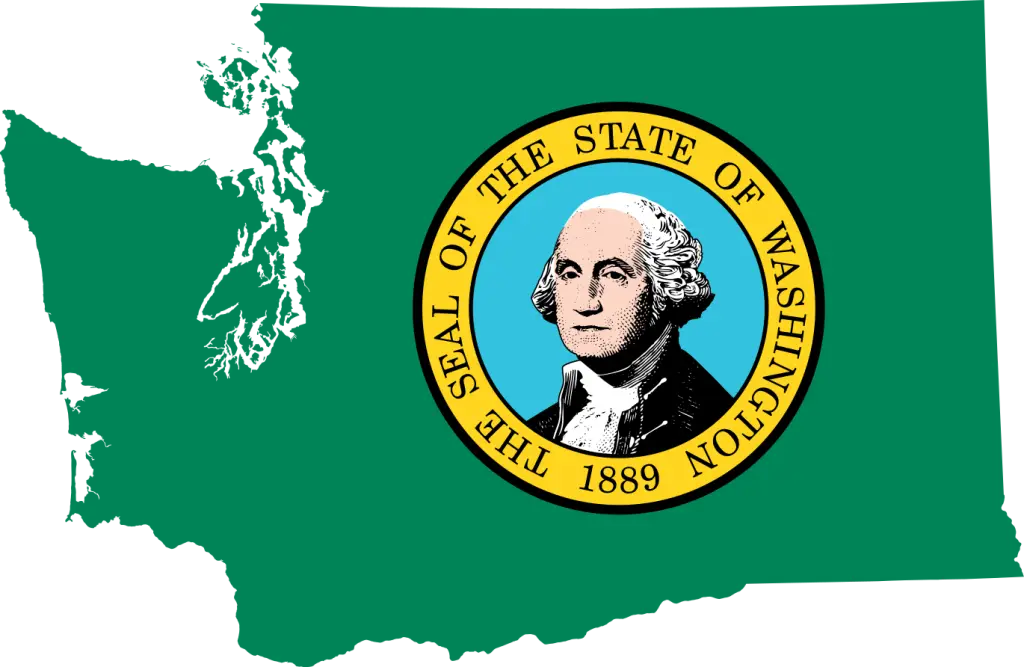
In the heart of Washington, businesses are discovering the remarkable benefits of partnering with Professional Employer Organizations (PEOs). Whether you’re a small startup or an established enterprise, understanding the world of PEOs can transform the way you manage your human resources and employee administration.

Overview of Washington PEO Services:

PEO services in Washington encompass a wide range of HR solutions, including:

  • Payroll Processing: Washington PEOs take the burden of payroll processing off your shoulders. They handle not only regular salary payments but also tax calculations and withholdings, ensuring timely and accurate payments to your employees.
  • Employee Benefits Administration: A significant advantage of Washington PEOs is their ability to offer comprehensive benefits packages. By pooling together clients’ employees, they can negotiate better rates for healthcare, dental, and retirement plans, attracting and retaining top talent.
  • HR Compliance: Staying compliant with Washington employment laws and regulations is a complex task. PEOs in Washington are experts in local labor laws, helping you navigate the legal landscape smoothly.
  • Workers’ Compensation: Washington PEOs often offer cost-effective workers’ compensation solutions. By spreading the risk across multiple clients, they can provide competitive rates and manage claims efficiently.
  • Risk Management: Mitigating HR-related risks is crucial for businesses in Washington. PEOs offer expert guidance on HR issues, reducing the chances of legal complications.
  • Recruitment and Onboarding: Streamlining the hiring process is vital for any business in Washington. PEOs can assist with sourcing, screening, and interviewing candidates, as well as accelerating the onboarding process, helping your new hires become productive faster.

Factors for Evaluation of PEOs :Washington peo

  1. Local Expertise: When evaluating Washington PEOs, look for providers with a deep understanding of Washington’s labor laws and market dynamics. They can offer tailored solutions and advice to navigate the state’s unique HR landscape.
  2. Client Reviews: Don’t solely rely on generic reviews; seek client testimonials and reviews specific to Washington PEOs. It’s essential to gauge how well a PEO has served businesses similar to yours in the same state.
  3. Cost Structure: Understand the pricing model thoroughly. PEOs typically charge a percentage of total payroll, but the rates can vary. Ensure that the cost structure aligns with your budget and business goals.
  4. Services Offered: While most PEOs provide a standard set of services, evaluate whether they offer the specific HR services you need in Washington. Customization is key to meeting your unique requirements.
  5. Technology: Assess the technology stack used for HR management. Ensure that the PEO’s systems are up-to-date, user-friendly, and capable of meeting your HR and payroll needs in Washington.

Benefits of Using a PEO in Washington:

  • Cost Savings: PEOs can help reduce HR operational costs significantly. In Washington, where the cost of living and doing business may vary, PEOs offer cost-effective solutions.
  • Compliance: Staying up-to-date with Washington employment regulations is essential to avoid legal issues. PEOs in Washington keep abreast of local laws and ensure that your HR practices align with them.
  • Focus on Core Business: Outsourcing HR tasks to a Washington PEO allows you to concentrate on growing your business. It frees up valuable time and resources that you can invest in your core operations.
  • Access to Benefits: Attracting and retaining top talent in Washington requires competitive benefits packages. Washington PEOs can help you provide your employees with attractive benefits without breaking the bank.

FAQs about PEO Companies in Washington:

  1. What is the cost of using a PEO in Washington?

The cost varies depending on factors like company size, industry, and the services required. Typically, PEOs charge a percentage of total payroll, but the rates can vary. It’s essential to get a customized quote.

  1. How long does it take to onboard with a PEO companies?

Onboarding times can vary, but it usually takes a few weeks to get started with a PEO. The process involves setting up your HR and payroll systems, which may include employee data migration.

  1. Can PEOs handle payroll taxes in Washington?

Yes, PEOs are experts in payroll taxes, including those specific to Washington. They handle all aspects of payroll, including tax calculations, withholdings, and compliance with state tax regulations.

  1. Do PEOs offer workers’ compensation solutions for businesses in Washington?

Yes, many PEOs provide cost-effective workers’ compensation solutions tailored to Washington. They can help you manage claims efficiently and ensure that you meet Washington’s workers’ compensation requirements.

Conclusion:

PEO companies are becoming invaluable partners for businesses seeking to streamline HR processes, reduce costs, and stay compliant with local employment regulations. As you explore your options, consider the unique needs of your business and the expertise of PEOs operating right here in Washington. Elevate your HR game with the right PEO by your side.

Scroll to Top