The intricacies of managing a workforce extend far beyond the core business operations. For many organizations, the administrative burden associated with payroll and human resources can become a significant drain on resources and a source of potential compliance risks. This is precisely where a Professional Employer Organization (PEO) can emerge as a strategic partner, offering a comprehensive solution for these critical functions. Understanding the multifaceted benefits of PEO payroll, its mechanisms, and its potential impact on a business’s trajectory is crucial for informed decision-making.
A Professional Employer Organization operates on a co-employment model. In this arrangement, the client company enters into a contractual agreement with the PEO, effectively sharing employer responsibilities. The client company retains control over day-to-day management and operational aspects, while the PEO assumes responsibility for specific HR functions, including payroll, benefits administration, compliance, and workers’ compensation. This division of labor allows each entity to focus on its areas of expertise, akin to two gears meshing perfectly to drive a single machine.
The Dynamics of Co-Employment
The co-employment relationship is distinct from traditional outsourcing. While outsourcing typically involves a vendor taking over a specific task, co-employment implies a deeper, shared responsibility. The PEO becomes the “employer of record” for tax and insurance purposes, handling all associated liabilities and filings. This legal distinction is fundamental to understanding the benefits that accrue to the client company. The client, however, remains the “worksite employer,” maintaining direct control over employee supervision, job duties, and company culture. This duality ensures a balance of administrative relief and operational autonomy.
Services Offered by PEOs
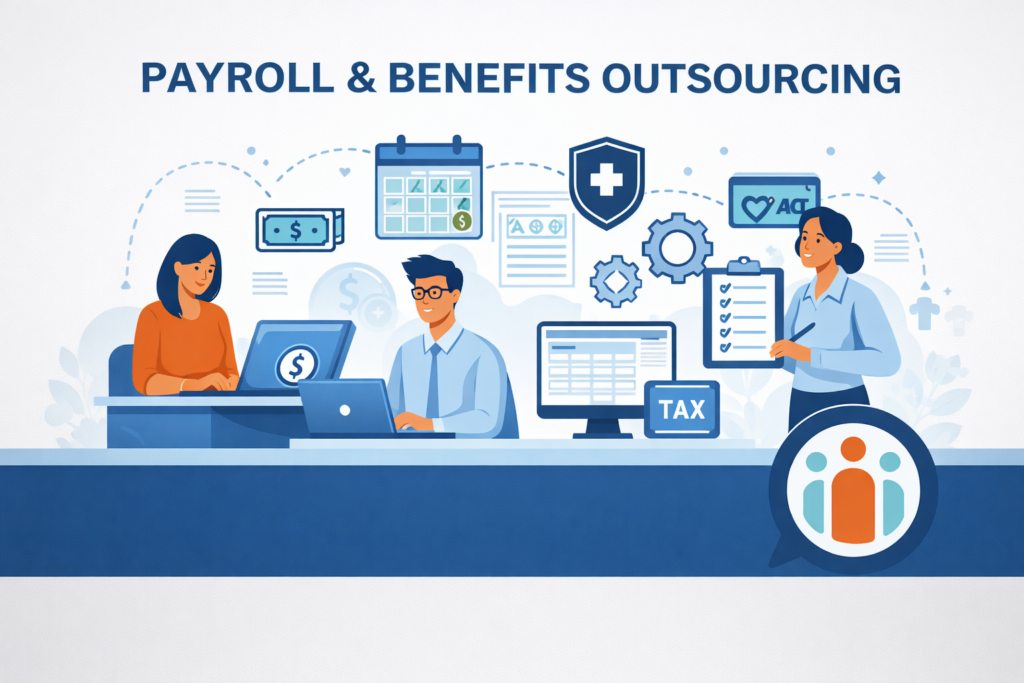
The scope of services offered by PEOs can vary, but generally encompass a broad spectrum of HR functions. At its core, the most prominent offering is payroll processing, but this often includes much more than simply cutting checks.
- Payroll Processing: This involves calculating wages, deducting taxes and benefits contributions, generating pay stubs, and ensuring timely direct deposits or check distribution.
- Tax Compliance: PEOs handle all payroll tax filings, including federal, state, and local taxes, and often act as the primary contact for tax authorities. They navigate the labyrinthine world of tax codes, ensuring accuracy and adherence.
- Benefits Administration: PEOs typically offer access to a robust suite of employee benefits, including health insurance, dental, vision, life insurance, and retirement plans. They manage enrollments, deductions, and claims.
- Workers’ Compensation: PEOs procure and administer workers’ compensation insurance, handling claims management and ensuring compliance with state regulations.
- HR Compliance: This includes ensuring adherence to a plethora of employment laws and regulations, such as those related to minimum wage, overtime, FMLA, ADA, and EEO. They act as a shield against potential legal pitfalls.
For businesses looking to streamline their payroll processes while aligning their workforce with strategic goals, exploring the benefits of Professional Employer Organizations (PEOs) can be invaluable. A related article that delves into this topic is “Strategic HR Planning with PEOs: Aligning People and Business Goals,” which discusses how PEOs can enhance HR functions and support organizational objectives. You can read more about it by following this link: Strategic HR Planning with PEOs.
Streamlining Payroll and HR Operations
One of the most immediate and tangible benefits of partnering with a PEO is the substantial streamlining of payroll and HR operations. For many businesses, particularly small and medium-sized enterprises (SMEs), these tasks consume a disproportionate amount of time and resources, diverting focus from core revenue-generating activities.
Reducing Administrative Burden
Imagine the daily battle against a rising tide of paperwork, forms, and compliance updates. A PEO acts as a powerful levee, stemming this tide. By offloading the meticulous and often repetitive tasks associated with payroll calculation, tax withholding, and benefits enrollment, companies can significantly reduce their administrative workload. This frees up internal staff, allowing them to concentrate on strategic initiatives rather than transactional processes. Consider the hours saved each pay period that could be reallocated to product development, sales, or customer service.
Enhancing Accuracy and Efficiency
Payroll processing is an area where even small errors can have significant financial and legal repercussions. Incorrect withholdings, missed deadlines, or miscalculations can lead to penalties, disgruntled employees, and damage to a company’s reputation. PEOs, specializing in these functions, bring a high level of expertise and technology to the table. Their advanced payroll systems and dedicated specialists ensure accuracy and efficiency, minimizing the risk of costly mistakes. This precision acts as a finely tuned clock, ensuring every tick is perfectly aligned.
Access to Advanced Technology
Many PEOs leverage sophisticated HR information systems (HRIS) and payroll software that would be cost-prohibitive for individual SMEs to acquire and maintain. These systems offer features such as employee self-service portals, online timekeeping, and integrated benefits management. Access to such technology can significantly enhance the employee experience, reduce manual data entry, and provide valuable HR analytics. It’s like upgrading from a manual ledger to a powerful supercomputer for your HR needs.
Mitigating Compliance Risks

The landscape of employment law is in constant flux, a turbulent sea that can capsize unprepared businesses. From federal regulations to state and local ordinances, maintaining compliance is a complex and demanding endeavor. Failure to adhere to these regulations can result in substantial fines, legal challenges, and reputational damage.
Navigating Regulatory Complexity
The sheer volume and complexity of employment laws can be overwhelming for any business owner. Laws such as the Fair Labor Standards Act (FLSA), the Affordable Care Act (ACA), the Americans with Disabilities Act (ADA), and myriad state-specific regulations require constant vigilance. PEOs employ teams of legal and HR experts whose sole purpose is to stay abreast of these changes. They act as your seasoned navigators, guiding your ship through treacherous legal waters. This expertise ensures that your payroll practices, HR policies, and benefits offerings are always in full compliance, minimizing the risk of costly penalties or lawsuits.
Reducing Exposure to Penalties and Fines
Non-compliance can manifest in various forms, from misclassifying employees as independent contractors to failing to provide mandatory leave. Each misstep carries financial penalties, which can escalate rapidly. By assuming responsibility for compliance, PEOs significantly reduce a client company’s exposure to such risks. They handle all necessary filings, maintain accurate records, and advise on best practices, acting as a robust firewall against regulatory infractions.
Expertise in Workers’ Compensation
Workers’ compensation is another critical area where compliance and administration can be particularly challenging. PEOs not only manage the insurance policies but also handle claims administration, often bringing down overall workers’ compensation costs through better claims management and risk mitigation strategies. Their experience in this area can be invaluable, especially for businesses in industries with higher risk profiles.
Enhancing Employee Benefits and Retention

Attracting and retaining top talent is a perpetual challenge for businesses of all sizes. A robust and competitive benefits package is often a cornerstone of a successful recruitment and retention strategy. However, for smaller organizations, offering comprehensive benefits can be financially unfeasible.
Access to Premium Benefits Packages
This is where the PEO’s collective buying power becomes a game-changer. By pooling the employees of all its client companies, a PEO can negotiate much more favorable rates for health insurance, dental plans, retirement plans, and other benefits than an individual small business could achieve on its own. This allows SMEs to offer their employees benefits packages comparable to those of much larger corporations, leveling the playing field in the talent war. This aggregated purchasing power acts as a powerful magnet, attracting and retaining valuable employees.
Improved Employee Morale and Satisfaction
A good benefits package signals to employees that their employer cares about their well-being. Access to quality health insurance, retirement savings options, and other perks can significantly boost employee morale, reduce stress, and foster a sense of loyalty. When employees feel valued and supported, they are more likely to be engaged, productive, and committed to the organization’s success. This translates directly into a more stable and dedicated workforce.
Streamlined Benefits Administration
Beyond simply offering benefits, PEOs also take on the administrative burden of managing them. This includes enrollment, deductions, claims processing, and communicating benefits information to employees. This alleviates a significant workload for internal HR staff and ensures that employees have clear and consistent access to information about their benefits.
When considering the benefits of PEO payroll services, it’s essential to understand how these organizations structure their billing for services. For a deeper insight into this topic, you can explore a related article that discusses the various billing methods used by PEOs. This information can help businesses make informed decisions about partnering with a PEO for their payroll needs. To learn more, visit the article on how PEOs bill for services.
Cost Savings and ROI
When internal staff are freed from administrative tasks, they can dedicate more time and energy to core business activities – those that directly contribute to revenue generation and strategic growth. This improved focus and productivity translate into tangible economic benefits. Consider the opportunity cost of employees spending hours on payroll every two weeks when they could be engaging with customers or developing new products. A PEO allows you to reallocate this valuable human capital strategically.
When considering the benefits of using a Professional Employer Organization (PEO) for payroll management, it’s essential to understand the distinctions between part-time and full-time employees. A related article that delves into this topic is available at Part-Time vs Full-Time Employees, which outlines how these classifications can impact payroll processes and overall business operations. By exploring these differences, businesses can make more informed decisions about their workforce and payroll strategies.
Strategic Business Growth and Scalability
For businesses aiming for growth, a PEO can become an invaluable strategic partner, providing a scalable and supportive infrastructure.
Scalability and Flexibility
As a business grows, its HR needs also expand. Hiring new employees, moving into new states, and navigating evolving legal requirements can be challenging. PEOs offer the flexibility to scale HR services up or down as needed, without the overhead of building an internal HR department from scratch. This allows businesses to adapt quickly to changing market conditions and growth trajectories, akin to having an expandable HR department that grows with your business.
Entry into New Markets
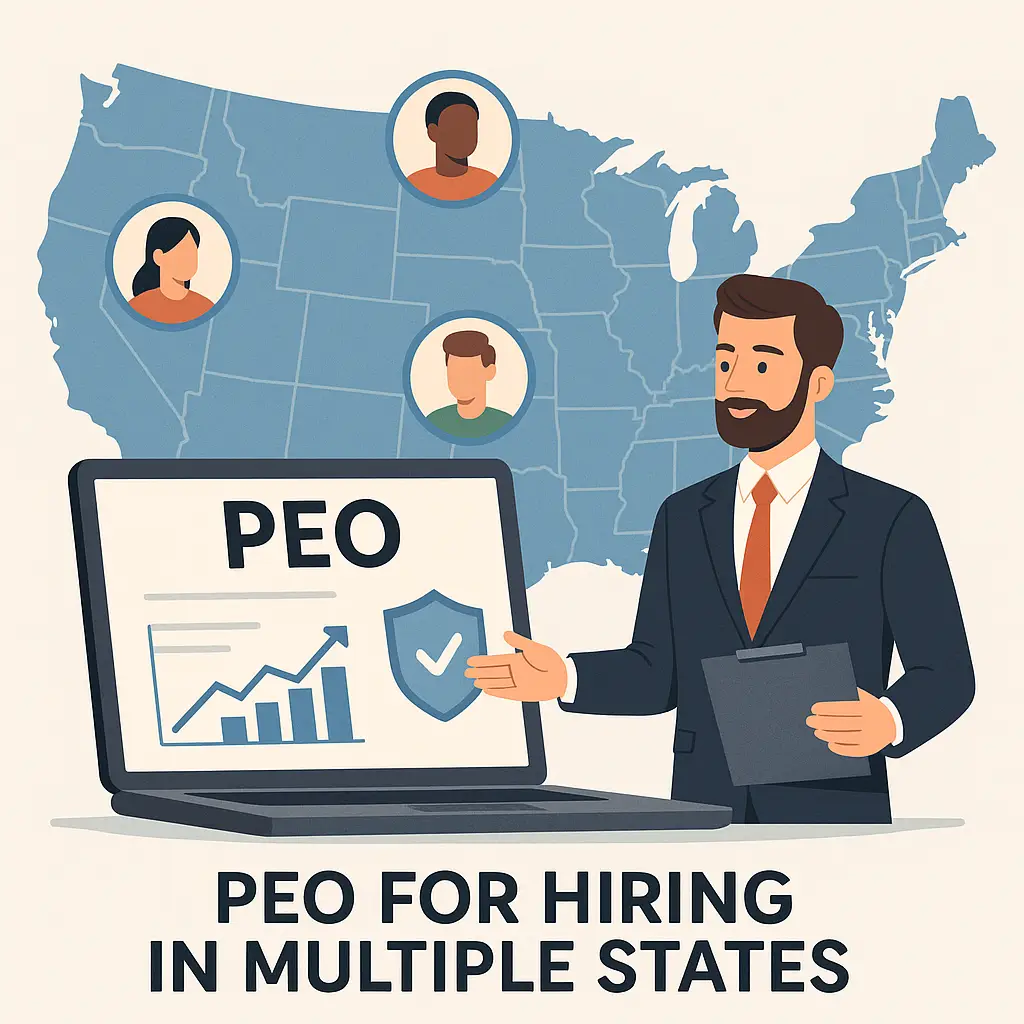
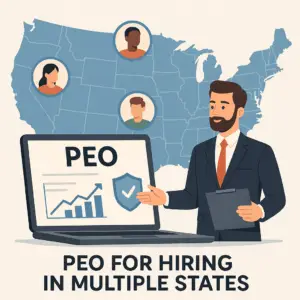
Expanding into new geographic locations often means grappling with a completely new set of state and local employment laws, tax regulations, and benefits requirements. A PEO with multi-state experience can seamlessly manage these complexities, allowing a business to enter new markets with confidence and reduced administrative hurdles. They provide the local expertise, even if you are thousands of miles away.
Focus on Core Competencies
Ultimately, the most profound benefit of a PEO is the ability it grants business leaders to concentrate on their core competencies – innovation, product development, sales, and customer service. By offloading the operational complexities of HR and payroll, a PEO allows the leadership team to steer the company with a clearer vision and undivided attention. This focus can be the differentiator between stagnation and significant growth.
In conclusion, the decision to engage with a PEO is a strategic one, offering a compelling array of benefits that extend far beyond simple payroll processing. From streamlining operations and mitigating compliance risks to enhancing employee benefits and fostering strategic growth, a PEO can serve as a vital partner in navigating the challenging currents of modern business. By understanding the intricate workings of this model, businesses can unlock their full potential and focus on what truly matters: building and expanding their enterprise. The PEO, in essence, becomes the sturdy bedrock upon which a thriving business can be confidently built.
Ready to find the right PEO? Book a call with us
FAQs
What is PEO payroll?
PEO payroll refers to the payroll services provided by a Professional Employer Organization (PEO). A PEO manages employee payroll, tax withholdings, benefits administration, and compliance on behalf of client companies.
How does a PEO handle payroll processing?
A PEO processes payroll by collecting employee work hours, calculating wages, withholding taxes, and issuing paychecks or direct deposits. They also file payroll taxes and ensure compliance with federal, state, and local regulations.
What are the benefits of using PEO payroll services?
Using PEO payroll services can save time, reduce administrative burdens, improve compliance with tax laws, and provide access to better employee benefits. It also helps small and medium businesses manage payroll efficiently.
Is the employer or the PEO responsible for payroll taxes?
When using a PEO, the PEO typically becomes the employer of record for tax purposes and is responsible for payroll tax filings and payments. However, the client company remains responsible for employee management and worksite decisions.
Can PEO payroll services be customized for different business needs?
Yes, PEO payroll services are often customizable to fit the specific needs of a business, including payroll schedules, benefit plans, and reporting requirements. Many PEOs offer scalable solutions for businesses of various sizes and industries.